
The Battle Proms will return in 2026 with three spectacular open-air concerts at some of England’s most prestigious historic venues.
Since its debut at Battle Abbey in East Sussex during 1997, the Battle Proms has grown into the UK’s leading picnic concert series. Each summer, thousands gather with hampers, deckchairs and picnic tables to enjoy an evening of music, pageantry and entertainment.
The 2026 season will visit three magnificent country estates:
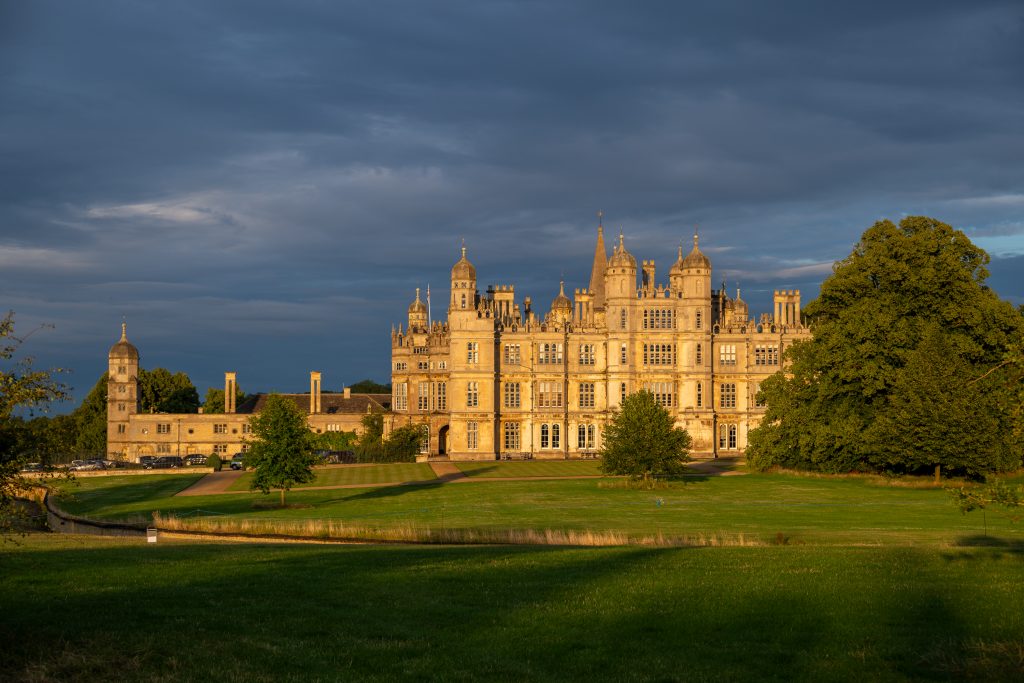
- Saturday 11 July 2026 – Burghley House, Lincolnshire
- Saturday 18 July 2026 – Hatfield Park, Hertfordshire
- Saturday 1 August 2026 – Highclere Castle, Hampshire
These iconic settings provide a fitting backdrop for an event that combines classical music, military history and British tradition.
More Than Just a Concert
The Battle Proms offers far more than an evening of music.
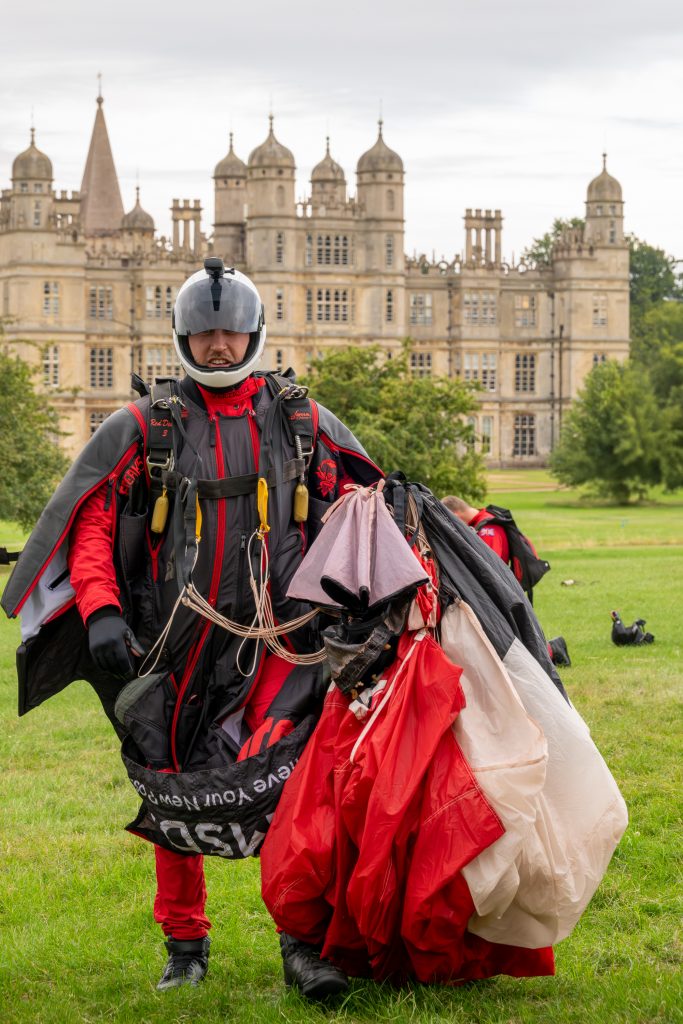
Visitors can expect a unique blend of live orchestral performances, cavalry displays, vintage vehicles, fireworks and artillery demonstrations. The event creates a festival atmosphere while maintaining the elegance of a traditional Proms concert.
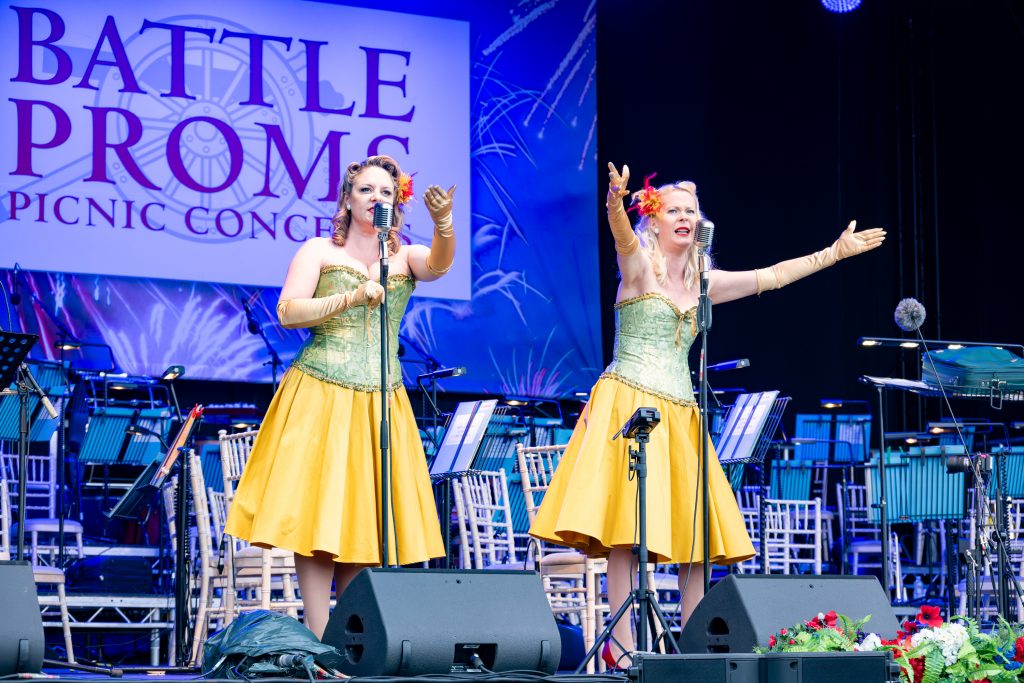
As daylight fades, the grounds of each estate transform into an outdoor theatre. Families, music lovers and history enthusiasts gather on the lawns to enjoy an unforgettable summer evening.
The New English Concert Orchestra provides the musical backbone of the event. Under expert direction, the orchestra performs a programme that moves effortlessly between classical masterpieces, film music and patriotic favourites.
A Programme Packed with Musical Highlights
The Battle Proms has built its reputation on delivering crowd-pleasing music alongside dramatic visual effects.

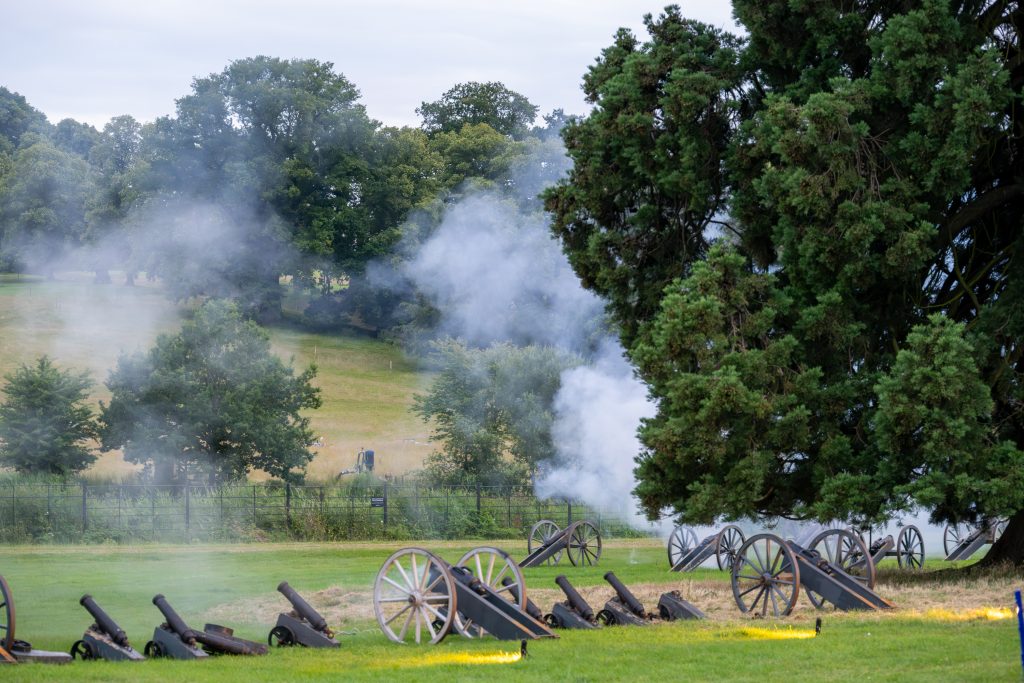
One of the most anticipated moments remains Tchaikovsky’s famous 1812 Overture. Live-firing cannons accompany the stirring finale, creating an experience unlike any traditional concert performance.
Gustav Holst’s majestic Jupiter also features prominently in the programme. Its soaring melodies continue to rank among Britain’s most beloved orchestral works.
Another signature piece is Beethoven’s Wellington’s Victory, often called the Battle Symphony. During this spectacular performance, more than 200 cannon blasts, musket fire and fireworks recreate the drama of the battlefield.
The concert also embraces the silver screen.
Audiences can enjoy themes from 633 Squadron, The Great Escape, The Magnificent Seven and the James Bond films. These familiar scores add excitement and cinematic flair to the evening.
Beautiful Arias and Proms Traditions
Alongside the action and spectacle, the Battle Proms showcases moments of great beauty.
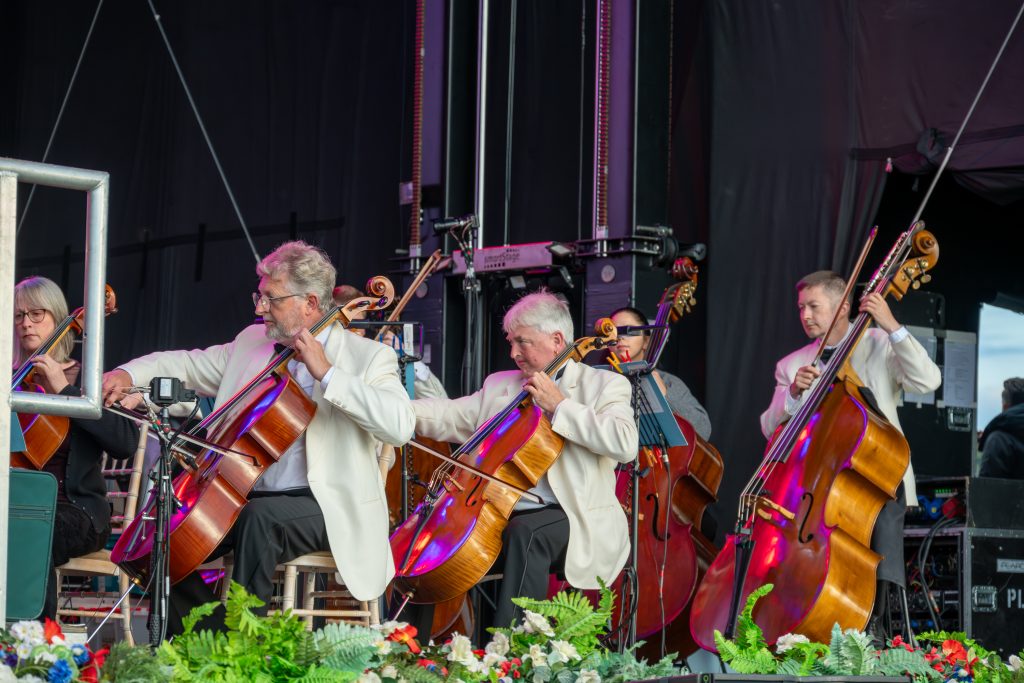
Star soprano performances bring operatic favourites to life. Audiences can expect music by Mozart, Morricone and other celebrated composers.
Pieces such as Gabriel’s Oboe provide a welcome contrast to the thunder of the cannons.
As the evening reaches its conclusion, the atmosphere becomes unmistakably British.
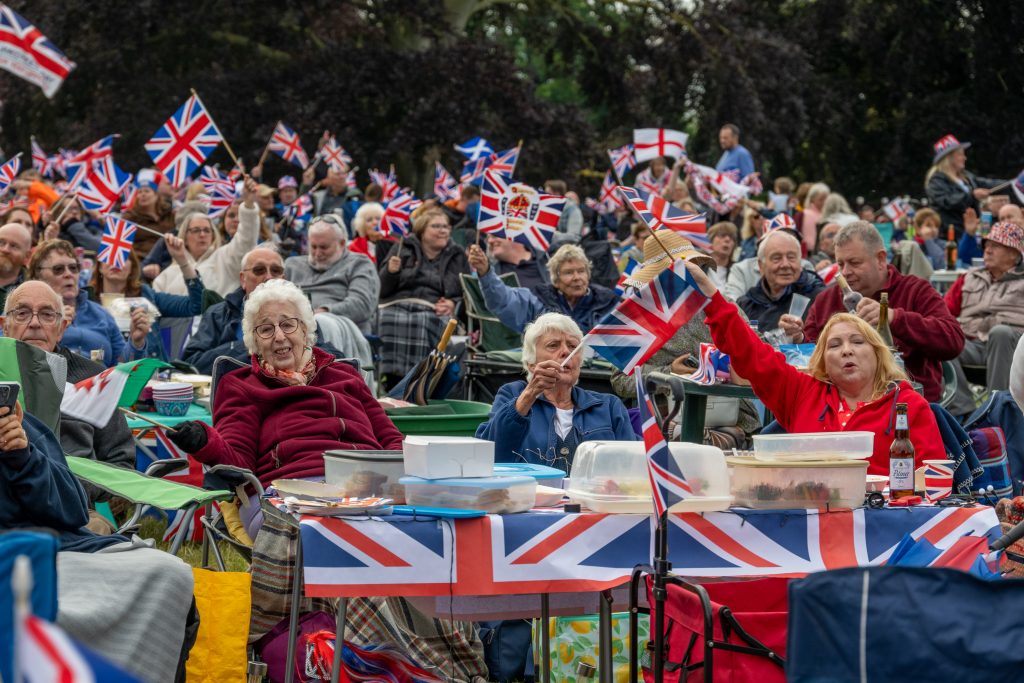
The traditional Last Night of the Proms finale invites audiences to wave flags and sing along. Favourite pieces include Jerusalem, Rule, Britannia! and Elgar’s Pomp and Circumstance March No. 1, better known as Land of Hope and Glory.
A Tribute to Douglas Coombes
No discussion of the Battle Proms would be complete without recognising the remarkable contribution of Douglas Coombes MBE.
Coombes has conducted every Battle Proms concert since the series began in 1997. Few musicians can claim such a long association with a single event.
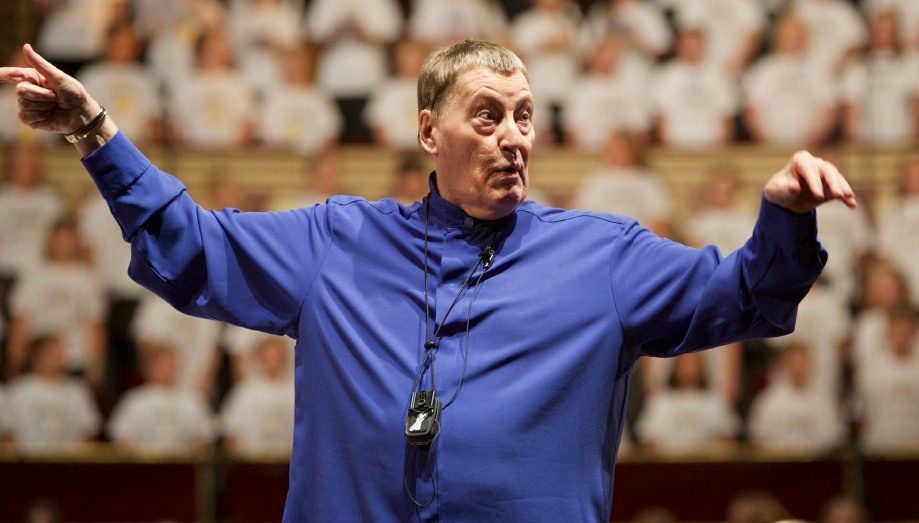
He is now thought to have conducted Beethoven’s Battle Symphony more times than anyone else in history.
His musical journey began in Bristol before studies at St Paul’s College, Cheltenham, and Dartington Hall in Devon. There he studied composition under Richard Hall and received valuable guidance from Imogen Holst.
For two decades, Coombes worked as a producer, writer and broadcaster for BBC Education. His programmes reached millions of young listeners each week. He also arranged the hymns for Come and Praise, a collection still widely used in schools across Britain.
Beyond broadcasting, he has built an outstanding reputation as a composer and conductor. His catalogue includes concertos, symphonies, ballets, church music, children’s works and large-scale choral compositions.
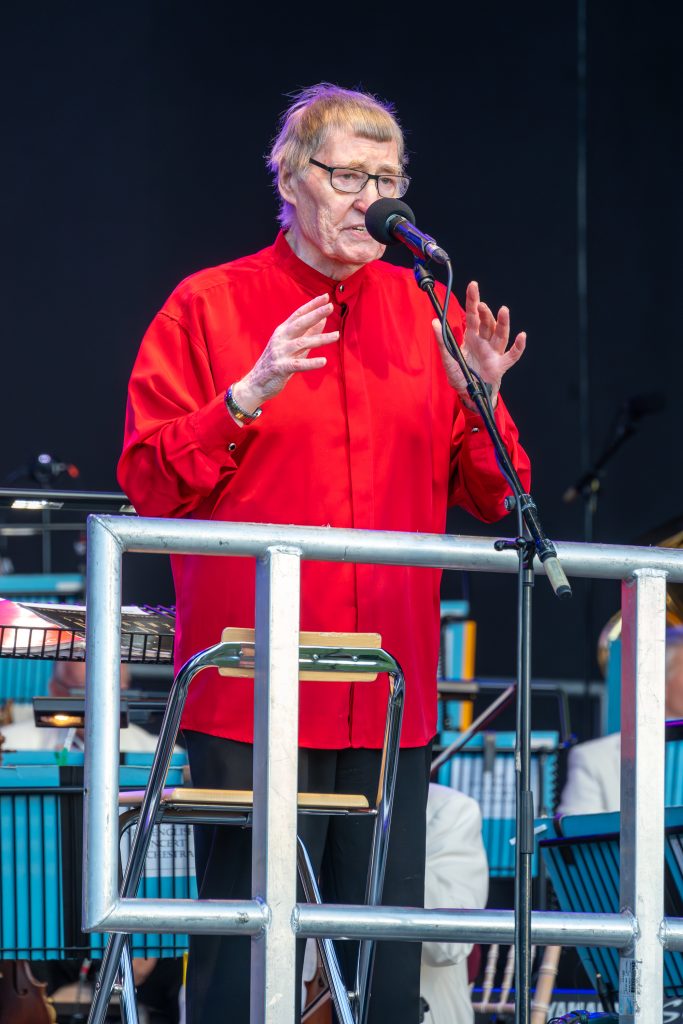
His conducting career has taken him across Europe, Asia and North America. He has led renowned British orchestras including the Royal Liverpool Philharmonic, Manchester Camerata, Northern Sinfonia, London Concert Orchestra and Bournemouth Sinfonia.
His dedication to music education has earned widespread recognition. In 2008, he became an honorary life member of the Schools Music Association of Great Britain. Gloucester University awarded him an Honorary Doctorate of Music in 2010.
In 2012, he received an MBE for services to music. Then-Prince Charles presented the honour at Buckingham Palace.
Today, Douglas Coombes remains the musical heart of the Battle Proms. His passion, musicianship and leadership have shaped the event for nearly three decades. As audiences gather once again in 2026, they will celebrate not only a great British concert tradition but also the man whose baton has guided it from the very beginning.