
Microwaves, air fryers and all-in-one cooking appliances are changing life on the road. But as campervan owners embrace more electrical comforts, having enough battery power has become increasingly important.
The modern campervan has come a long way from the days when a leisure battery powered little more than a few lights, a water pump and perhaps a portable television.
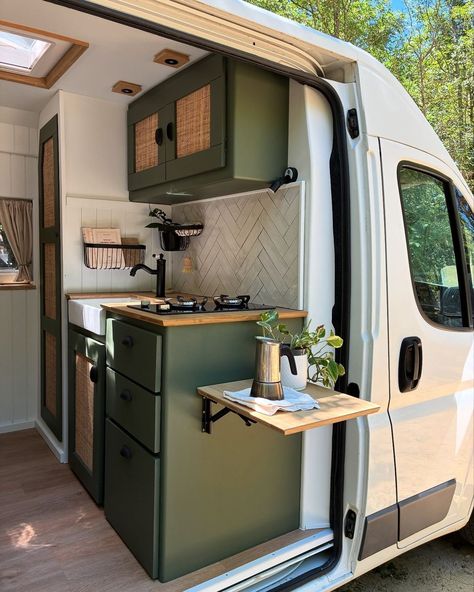
Today, many owners expect their vehicles to deliver the comforts of home, wherever they choose to park. That means charging laptops and phones, running refrigeration, making coffee and preparing meals with increasingly sophisticated electrical appliances.
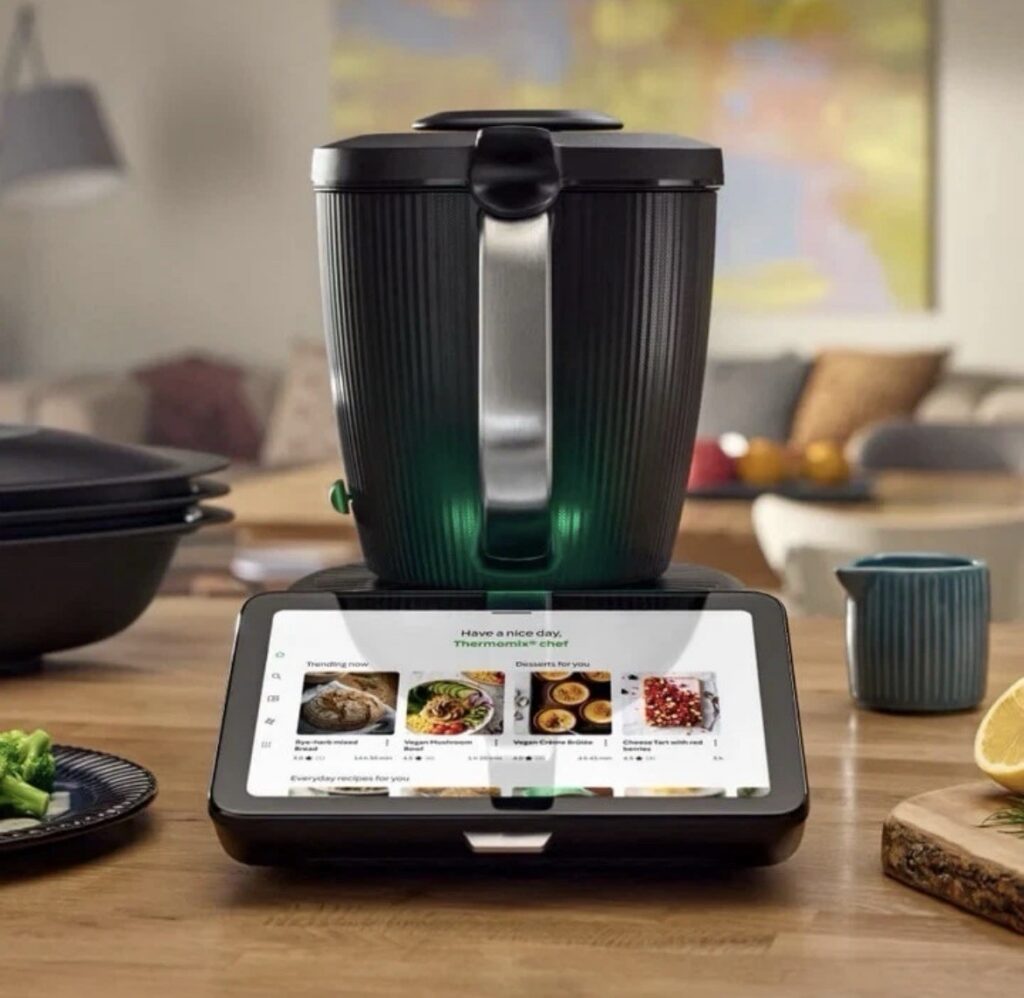
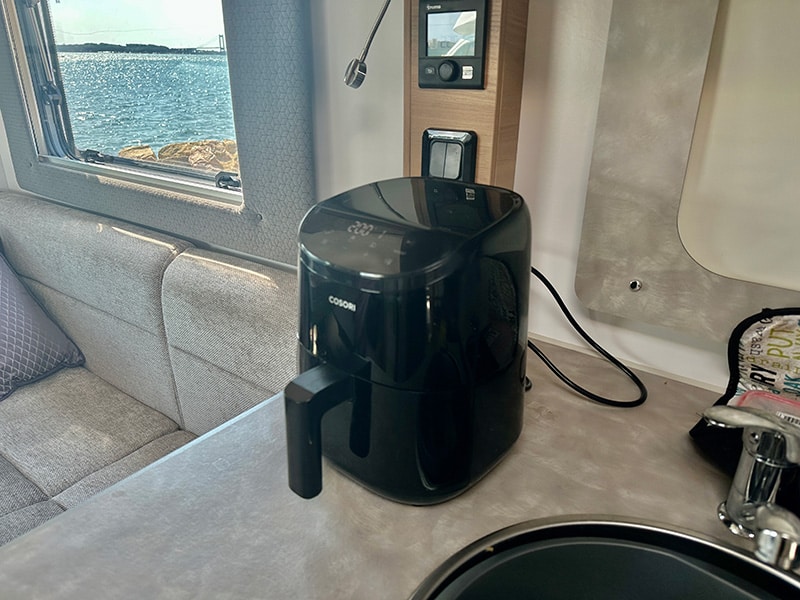
Microwaves and air fryers are becoming familiar additions to campervan kitchens. Meanwhile, the increasingly popular Thermomix, an all-in-one cooking appliance, offers a remarkable range of culinary functions in a single machine.
However, these conveniences come with a price. They place considerably greater demands on a campervan’s electrical system.
For anyone hoping to cook, work and relax away from a campsite’s electrical hook-up, the battery has become one of the most important components aboard.
The Changing Demands of Campervan Life
For many touring enthusiasts, freedom means being able to stop somewhere beautiful without needing to find a campsite with an electrical connection.
That might mean spending a night beside the coast, exploring remote countryside or waking up in the mountains before heading out for a day on the slopes.
Yet modern appliances can consume considerable amounts of electricity.
A microwave typically draws substantial power while operating. Air fryers can demand even more, depending on their size and settings. Thermomix appliances also require a suitable electrical supply, particularly when performing cooking functions that involve heating.
These appliances generally need a mains-voltage supply. In a campervan, that usually means running them through an inverter that converts the battery’s low-voltage DC electricity into 230V AC power.
The challenge is not simply having enough battery capacity. The battery must also deliver sufficient current, while the inverter needs to handle the appliance’s power requirements.
Running a powerful cooking appliance from an unsuitable battery or inverter can cause the system to shut down. Poorly matched equipment can also reduce efficiency and potentially create safety risks.
Consequently, anyone planning to use energy-hungry appliances off-grid should consider the entire electrical system rather than buying a bigger battery alone.
Why Smart Batteries Make a Difference
Battery technology has developed considerably, giving campervan owners more sophisticated ways to manage their available electricity.
Lithium batteries, particularly lithium iron phosphate (LiFePO4) models, offer several advantages over traditional lead-acid leisure batteries. They generally provide more usable capacity for their size and weight, while supporting efficient charging and discharging.
Many modern lithium batteries incorporate a battery management system, commonly known as a BMS. This monitors important operating parameters and helps protect the battery against conditions such as overcharging, excessive discharge and overcurrent.
Some batteries also offer Bluetooth monitoring or other smart connectivity. These features allow owners to check battery status, charge levels and other operating information through a smartphone.
That visibility becomes especially useful when running several appliances. Rather than guessing how much electricity remains, owners can monitor consumption and make informed decisions about when to recharge.
Nevertheless, smart monitoring cannot create additional electricity. A battery’s usable capacity, its maximum discharge current and the capabilities of its BMS must all suit the intended application.
A well-designed system should also include an appropriately specified inverter, correctly sized cabling and suitable electrical protection.
Solar Panels, Inverters and Intelligent Energy Management
A modern campervan electrical system works best when its components complement one another.
Solar panels can replenish the battery during daylight, helping to power refrigerators, lighting, computers and other everyday equipment. A suitable solar charge controller regulates the electricity flowing from the panels into the battery.
However, solar generation varies with the season, weather, parking position and available daylight. Winter touring or parking beneath trees can significantly reduce the energy collected.
An inverter provides the mains electricity required by appliances such as microwaves, air fryers and Thermomix cookers. Because these devices can draw substantial power, owners must check their continuous power ratings and any short-duration surge requirements.
The battery must deliver the necessary current without exceeding its operating limits.
Consider a 1,500W appliance running from a nominal 12V battery. Allowing for inverter losses, the battery may need to supply approximately 140A or more. That is a substantial demand from a leisure battery.
A smart battery capable of supporting the load, combined with an appropriately rated inverter, makes this type of installation more practical.
Intelligent charging equipment can also help coordinate energy from solar panels, the vehicle’s alternator and mains hook-up. The precise options depend on the equipment installed.
The aim is to collect energy efficiently, store it safely and use it intelligently.
For owners who want to cook without gas, work remotely and enjoy longer periods away from campsites, that combination can transform the touring experience.
Introducing Roamer Batteries
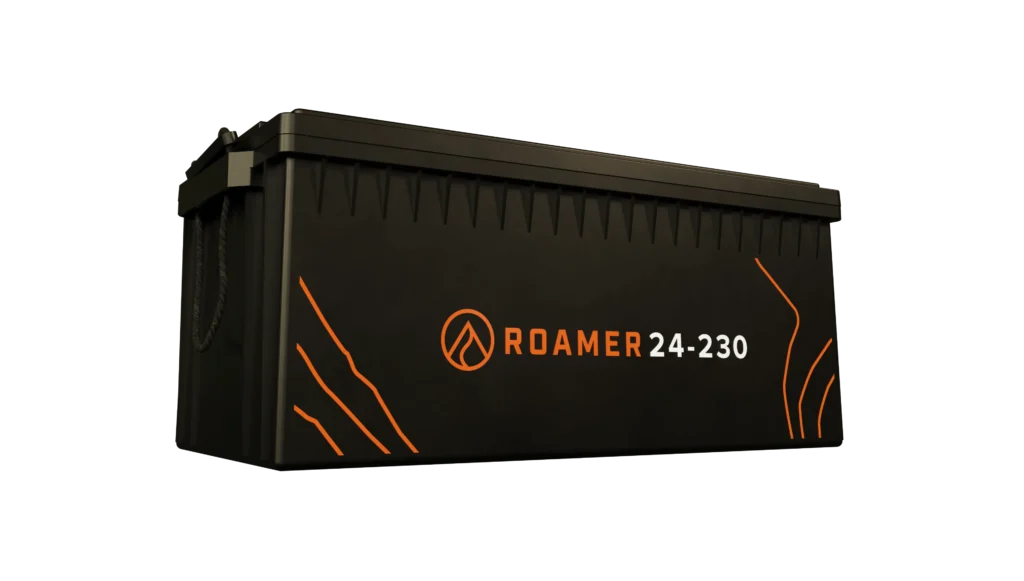
One company developing battery solutions for this increasingly demanding market is Roamer Batteries.
Founded by husband and wife Steve and Kate, the company grew from their shared enthusiasm for campervan travel and their desire to combine their interests with practical electrical expertise.
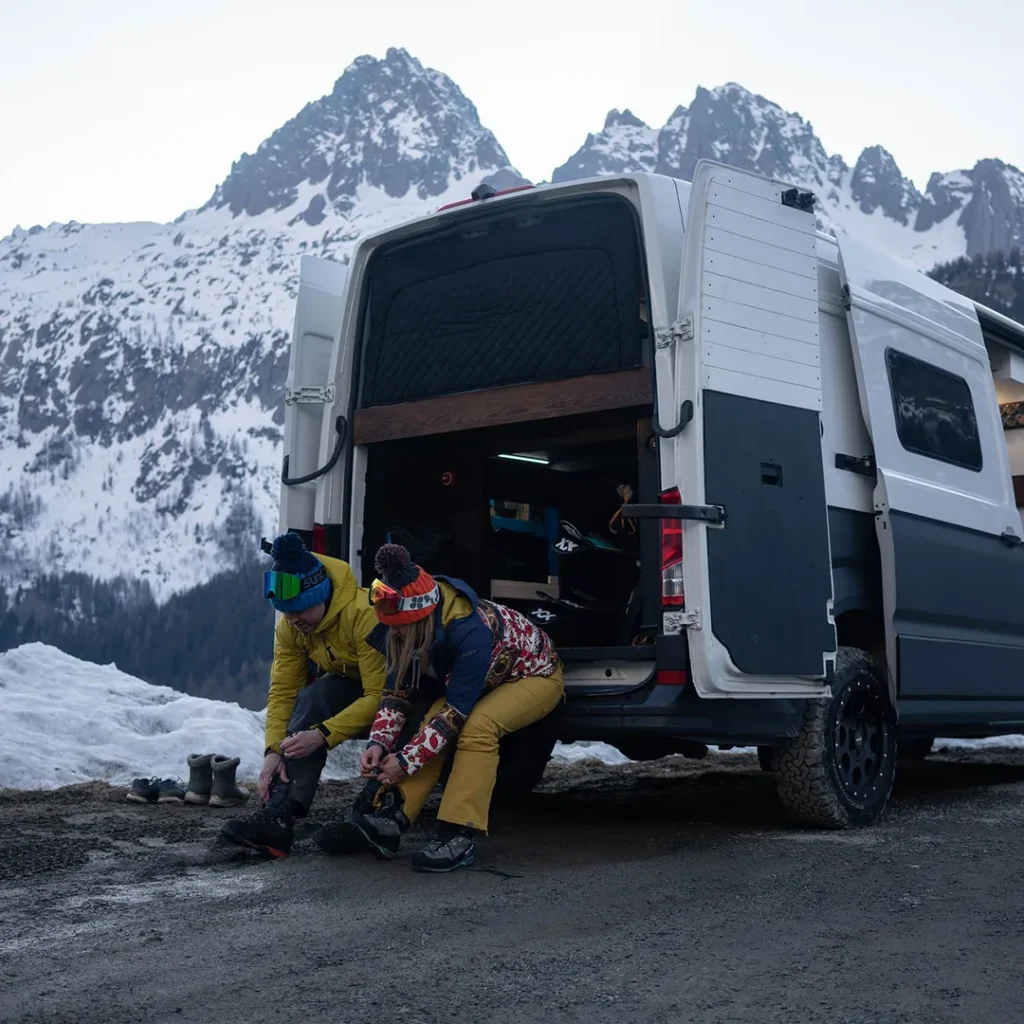
Their own touring adventures began in 2012, when they bought and converted their first campervan.
Since then, they have travelled extensively across Europe, following the sun and surf during summer and seeking out snow during winter.
Their experiences have given them a practical understanding of what campervan owners need from their electrical systems, particularly when touring away from conventional campsites.
Steve brought another important ingredient to the business. His background in electrical engineering and grid-scale energy generation provided a strong technical foundation for developing battery solutions.
Campervan electrics offered a natural progression, bringing together his professional expertise and personal enthusiasm for life on the road.
From a Yorkshire Home to a Growing Business
Roamer began on a relatively modest scale, with Steve and Kate initially operating the business from their home in Yorkshire.
In those early days, the distinction between domestic space and warehouse could be rather blurred. Dozens of batteries stacked in their kitchen were a familiar sight.
Since then, the company has expanded considerably. A growing team and increasing distribution requirements prompted a move to a new head office and distribution centre in Armley, Leeds.
The business has developed alongside a market in which electrical independence is becoming an increasingly important consideration for campervan and motorhome owners.
As more people adopt lithium technology and add powerful appliances to their vehicles, choosing batteries that combine suitable capacity, reliable protection and effective monitoring becomes increasingly important.
Roamer’s focus on battery technology places it firmly within this evolving sector.
For buyers, however, the important consideration is not simply the brand name. They should select a battery with specifications that match their particular vehicle, charging arrangements and intended electrical loads.
Built for Life Beyond the Campsite
Steve and Kate continue to enjoy the travelling lifestyle that inspired their business.
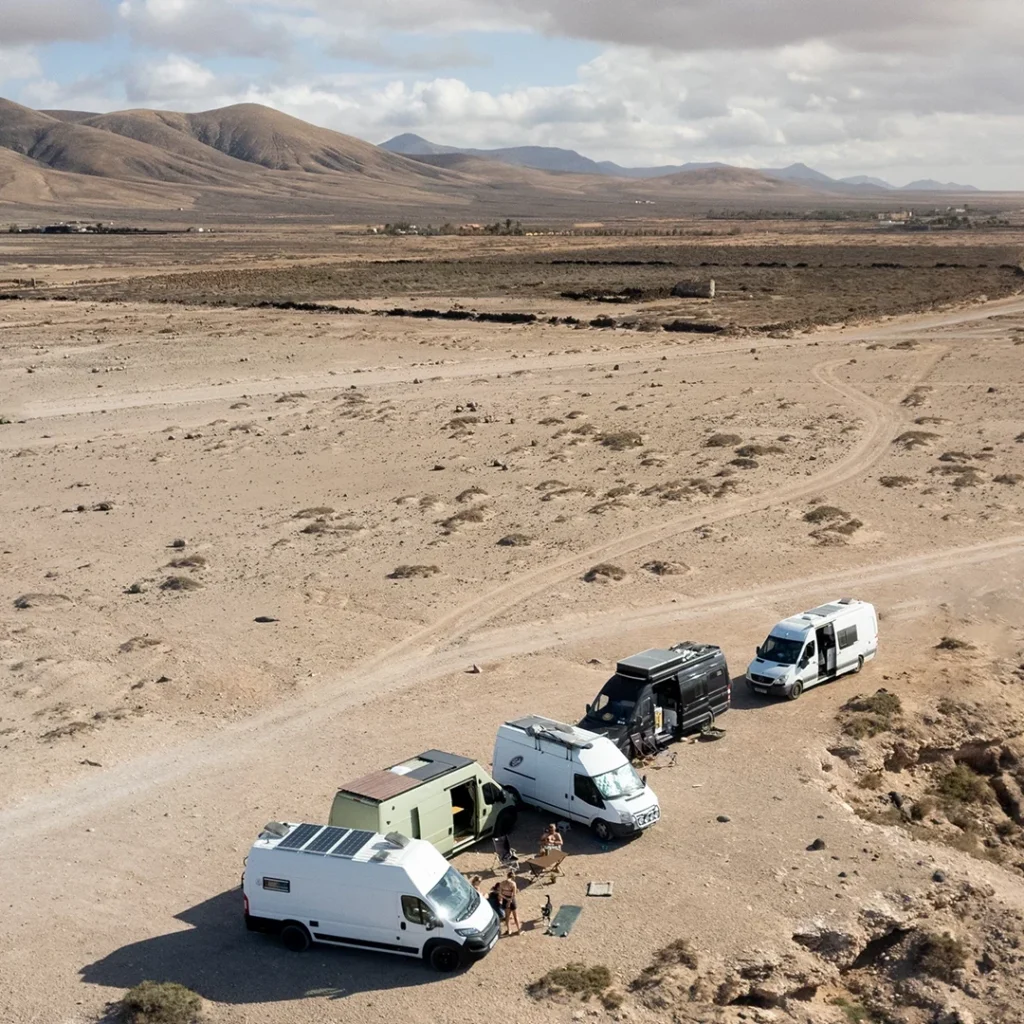
Their current campervan is a four-wheel-drive conversion designed specifically for ski holidays in extreme conditions. Built to operate without gas, it reflects their interest in travelling independently and comfortably in demanding environments.
A gas-free vehicle places even greater emphasis on electrical planning. Depending on the equipment installed, cooking, heating, refrigeration and other systems can all contribute to the overall energy demand.
Such a vehicle needs more than a large battery. It requires an integrated system capable of generating, storing and delivering electricity reliably.
That experience helps explain why the couple remain closely connected to the practical realities of campervan ownership, even as the company grows.
They can still be found roaming Europe’s beaches and ski resorts when they are not working from the office. Laptops and mobile phones allow them to keep in touch with the business while travelling.
Their working arrangements also illustrate another modern demand on campervan electrics. Remote working requires reliable power for computers, communications equipment and other devices, often alongside the appliances used for everyday living.
Choosing the Right Battery for Your Campervan
For anyone considering an electrical upgrade, the first step is to establish how much power the vehicle actually needs.
Start by listing the appliances you intend to run and checking their rated wattage. Estimate how long each will operate during a typical day, remembering that heating elements and compressors may cycle on and off.
Next, consider the battery’s usable capacity, usually expressed in amp-hours (Ah) or kilowatt-hours (kWh). These figures help determine how much energy is available between charging sessions.
The battery must also support the maximum current demanded by the inverter. A battery with impressive capacity may still prove unsuitable if its BMS limits the current below the level required.
Finally, examine how the system will recharge. Solar panels may provide much of the energy during bright summer weather, but alternator charging or mains hook-up could prove essential during winter.
Professional advice can be particularly valuable when installing high-power appliances or upgrading an existing electrical system. Correctly sized cabling, fusing, ventilation and installation arrangements all matter.
Powering the Next Generation of Touring
Campervans increasingly offer the freedom of independent travel alongside the comforts of a modern home.
Microwaves, air fryers and Thermomix cookers demonstrate how quickly expectations are changing. Remote working, electronic entertainment and increasingly sophisticated vehicle equipment add further demands.
Meeting those expectations requires more than simply installing the largest battery that fits beneath a seat.
The best results come from combining suitable battery capacity, intelligent battery management, an appropriately sized inverter and effective charging from solar panels or other sources.
For Steve and Kate at Roamer Batteries, a passion for travelling has developed into a business serving this changing market.
And as campervan owners continue to embrace more electrical comforts, reliable battery power will play an increasingly important role in keeping them independent.
After all, the freedom to stop wherever the road leads is even more enjoyable when you can make dinner, charge your laptop and wake up ready for another day of adventure.