
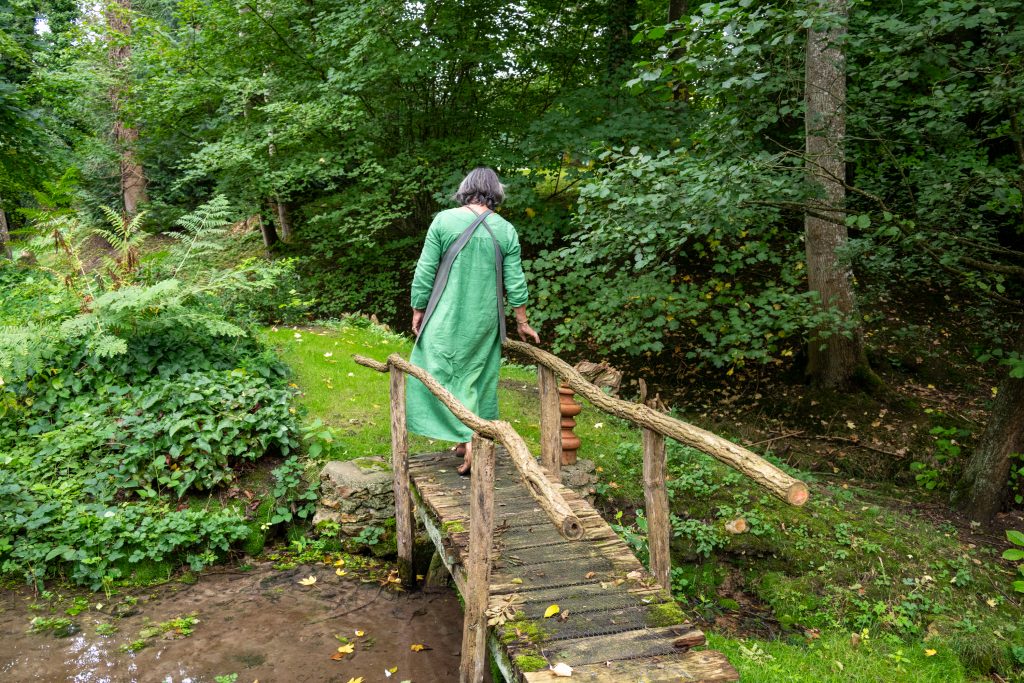
An expert has revealed how small daily outings could add years to your life. It is easy to think that improving health requires big lifestyle changes but according to mobility experts, something far simpler may have a powerful impact.
From stepping into the garden to watching birds at the local park, small daily outings can support both physical and mental wellbeing, even for people who rely on mobility aids.
Daniel Stone, Managing Director at TGA Mobility, explains that consistency matters more than intensity when it comes to long-term health.
“Getting outside regularly, even for small daily periods, helps the body and mind stay engaged with life,” says Stone.
Below, he reveals why gentle outdoor routines can make such a meaningful difference, and how people can get more benefit from them.
1. Gentle movement supports longevity
Even light movement helps maintain circulation, joint flexibility, and muscle strength.
Short walks, wheeling through a park, or pottering in the garden encourage the body to stay active without strain.
According to Stone, “You do not need to break a sweat to support your health. Regular low-impact movement keeps the body functioning.”

Surprisingly, research shows that frequent light activity can be more sustainable than occasional intense exercise, especially for older adults.
2. Nature exposure reduces chronic stress
Spending time outdoors has been linked to lower stress levels and helps regulate the nervous system.
This is particularly important for people managing pain or long-term conditions.
Stone explains that “natural environments give the brain a break from constant stimulation, which can reduce long-term stress.”
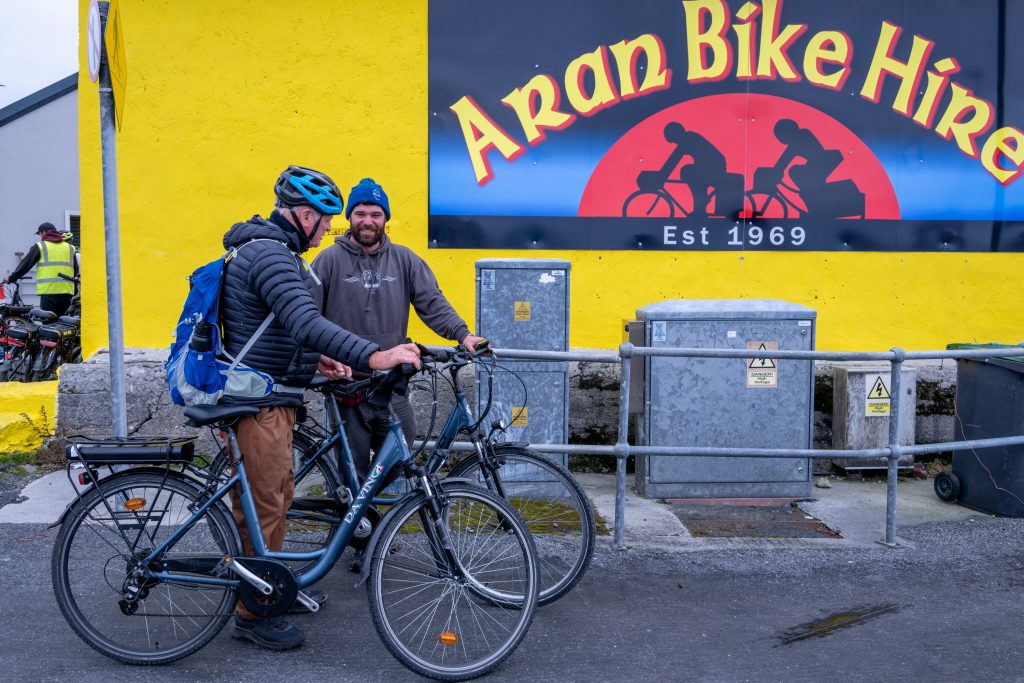
Even ten minutes outside can improve mood and emotional regulation, especially when done daily.
3. Routine outings strengthen the immune system
Fresh air and natural light play an important role in immune health.
Sunlight helps regulate vitamin D levels, while outdoor environments expose the body to healthy microbial diversity.
Stone notes that “short, regular trips outside help the body stay resilient rather than sheltered.”
This benefit is often overlooked, yet it becomes more important with age.
4. Small outings protect cognitive health
Daily outdoor habits stimulate memory, attention, and spatial awareness.
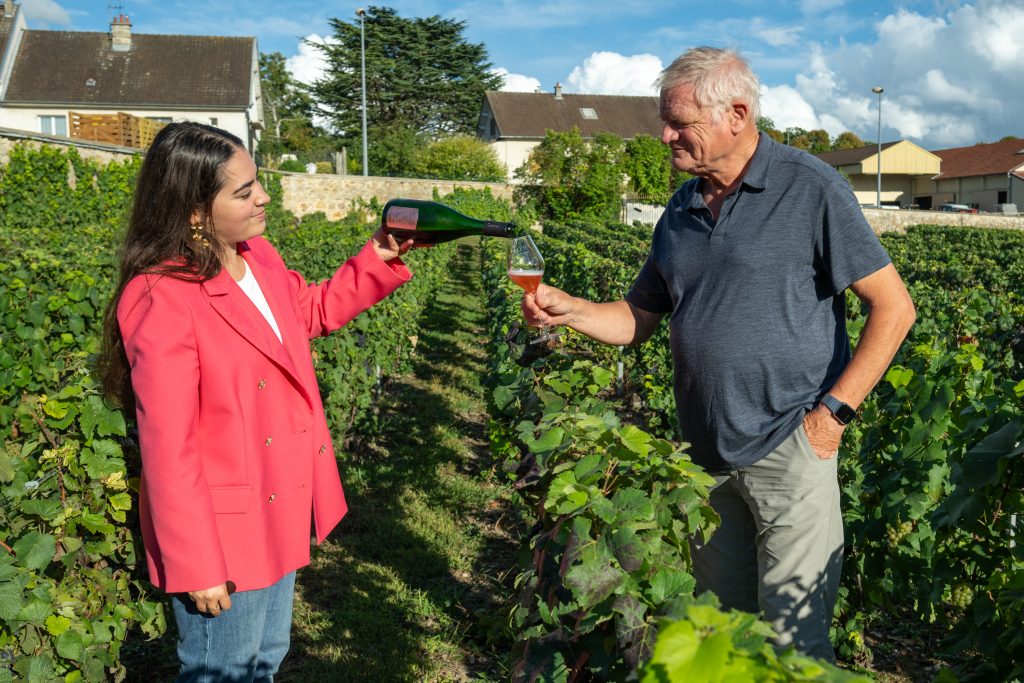
Navigating familiar routes, noticing seasonal changes, or identifying birds all gently exercise the brain.
According to Stone, “The brain responds positively to variety, even small changes like a different walking path or garden task.”
These moments of stimulation may help slow cognitive decline over time.
5. Social connection happens naturally outdoors
Outdoor spaces often create low-pressure social interaction.
A brief chat with a neighbour, a wave to a passer-by, or sitting near others can reduce feelings of isolation.
Stone gives the example of “shared spaces allowing connection without obligation, which can be incredibly comforting.”
These micro-interactions build emotional wellbeing without being overwhelming.
6. Mobility aids expand opportunity, not limit it
Many people reduce outdoor activity due to fear of fatigue or instability.
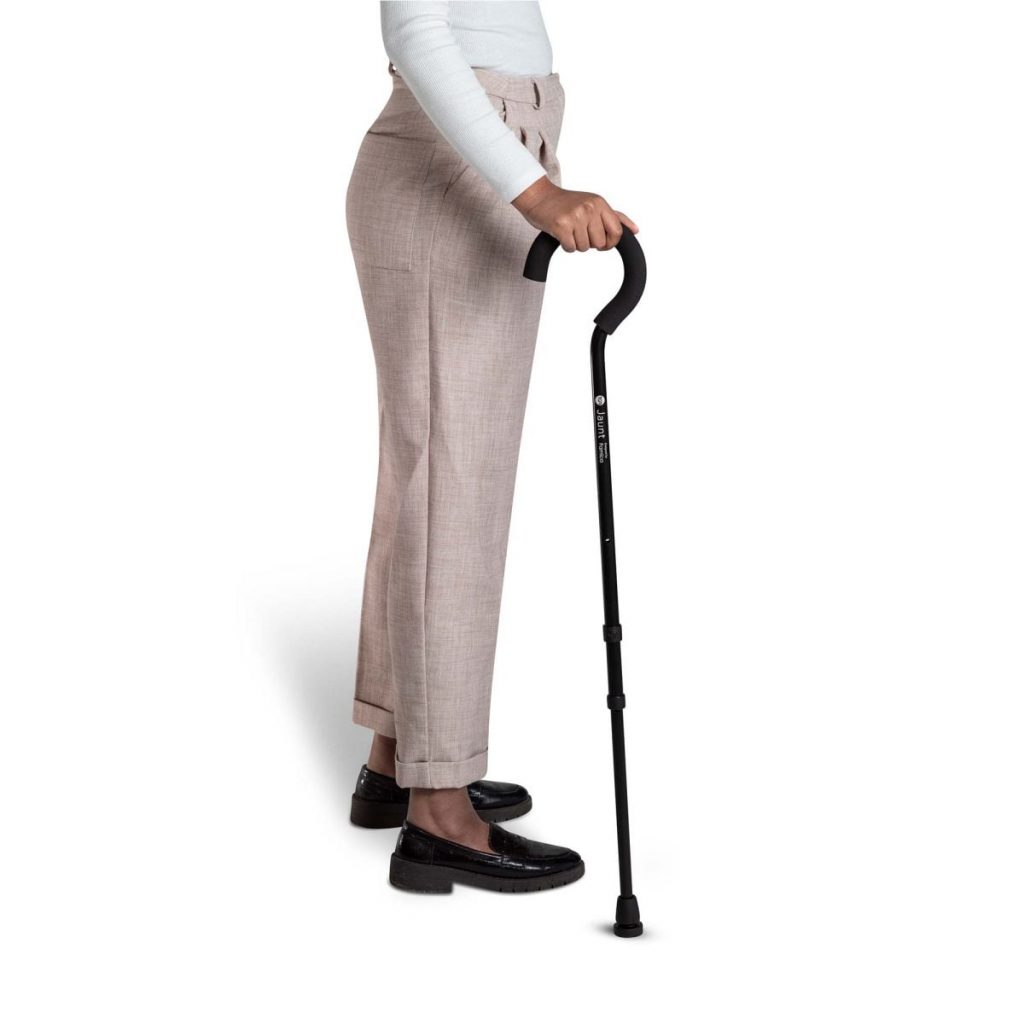
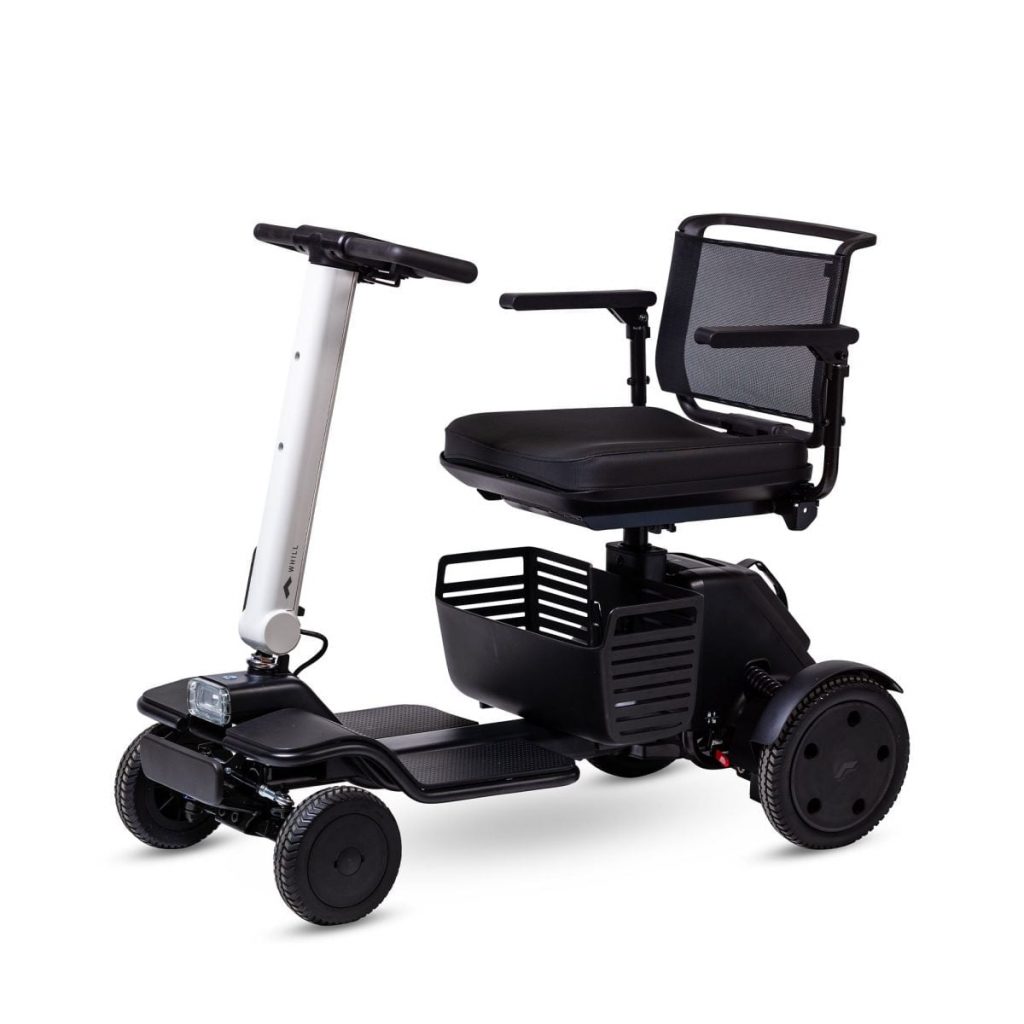
Modern mobility aids can help conserve energy and increase confidence.
“Mobility equipment should be seen as a tool for freedom, not a sign of limitation,” says Stone.
When people feel secure, they are far more likely to maintain healthy outdoor routines.
7. The habit matters more than the distance
One of the most surprising insights is that distance is not the goal.

What matters is repetition.
Stone explains that “five minutes every day is more powerful than one long outing a week.”
This mindset removes pressure and makes healthy behaviour easier to maintain long term.
Last Thoughts
Small daily outings may seem insignificant, but over months and years, they quietly add up.
By staying connected to nature, movement, and routine, people give themselves the best chance at a longer, healthier life.
TGA Mobility continues to encourage accessible outdoor living, helping people stay active, independent, and engaged with the world around them.