
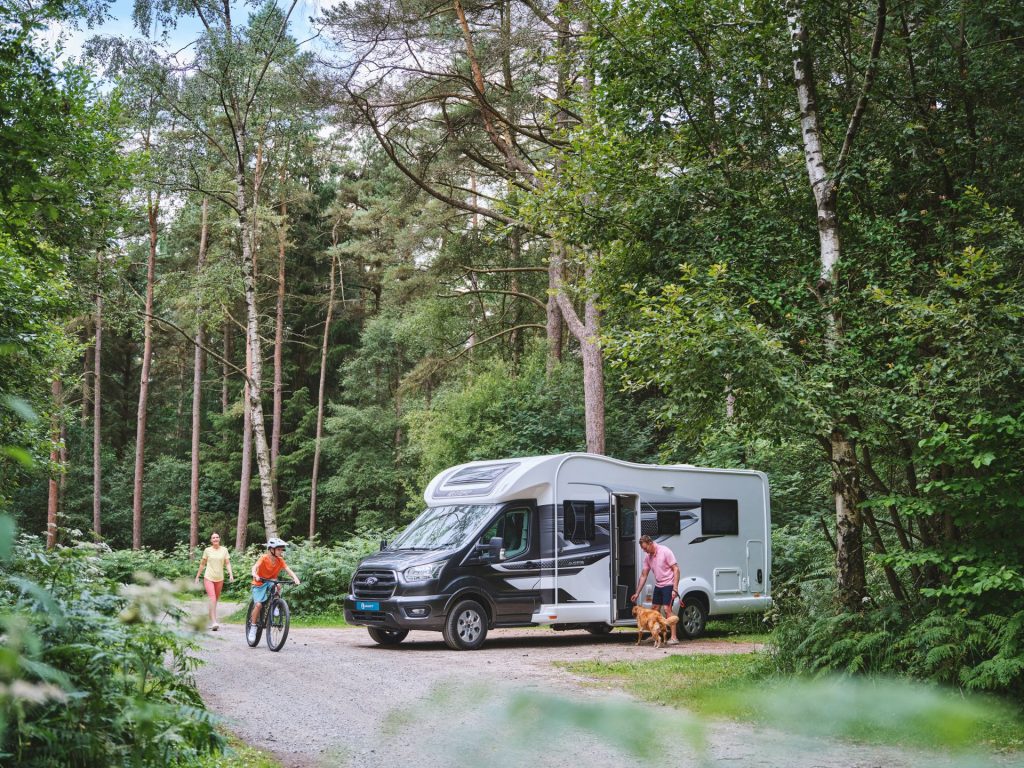
Highland campsite owners are protesting against plans for a new visitor levy, warning that the proposals could disadvantage legitimate tourism businesses.
Under the Highland Council’s draft proposal, visitors staying overnight at official caravan parks and campsites would pay an additional £2 per night.
However, the Highland Caravan and Campsites Association (HCCA) argues that the proposed tax creates an unfair system. The association fears the levy could drive visitors away from regulated campsites and increase pressure on local infrastructure.
Highland Visitor Levy Could Increase Campsite Costs
The HCCA warns that the additional £2 charge could significantly increase the cost of an overnight stay.
For budget-conscious travellers and families, the levy could raise accommodation prices by up to 15%, depending on the existing pitch fee.
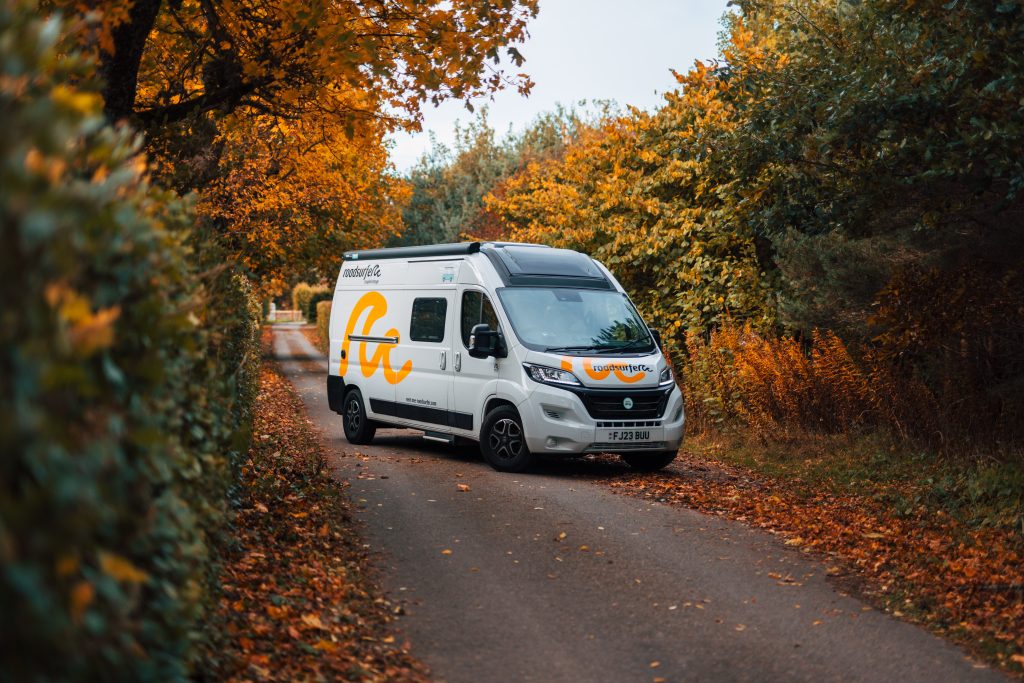
Consequently, campsite operators fear some visitors will choose cheaper alternatives rather than pay the additional charge.
These alternatives could include council car parks, roadside lay-bys, pub stops and other informal overnight parking locations.
Motorhome Owners Could Avoid the Visitor Tax
Campsite owners also question how the proposed levy would affect motorhome and campervan tourism.
According to the HCCA, more than 30,000 motorhomes already bypass official campsites in the Highlands each year.
Under the Visitor Levy (Scotland) Act, councils cannot simply extend the accommodation tax to vehicles parked outside qualifying accommodation.
As a result, campsite operators argue that visitors using official sites could face an additional charge. Meanwhile, those parking elsewhere could avoid it.
The association believes this arrangement could encourage more visitors to stay outside established campsites. It also fears greater pressure on roadside parking and local amenities.
Could Campsites End Up Funding Their Competitors?
The HCCA has raised further concerns about how Highland Council might spend the money raised through the levy.
Campsite operators fear the council could invest some of the revenue in facilities serving motorhomes parked outside official sites.
These facilities might include public waste-disposal points, water-filling stations and additional motorhome parking areas.
If that happens, campsite owners argue, the levy could indirectly support alternatives to their businesses.
They believe this would leave regulated sites paying into a system that potentially benefits visitors who avoid the charge.
Campsite Association Calls for Visitor Levy Delay
The HCCA wants Highland Council to postpone including campsites in the proposed visitor levy.
Instead, the association is calling for a fairer approach that considers motorhomes and campervans using different overnight accommodation options.
It argues that any future system should address the difference between visitors paying to stay at official campsites and those parking elsewhere.
For Highland campsite owners, the central concern is fairness. They want the council to consider the potential impact on tourism businesses, visitor behaviour and local infrastructure before introducing the charge.