
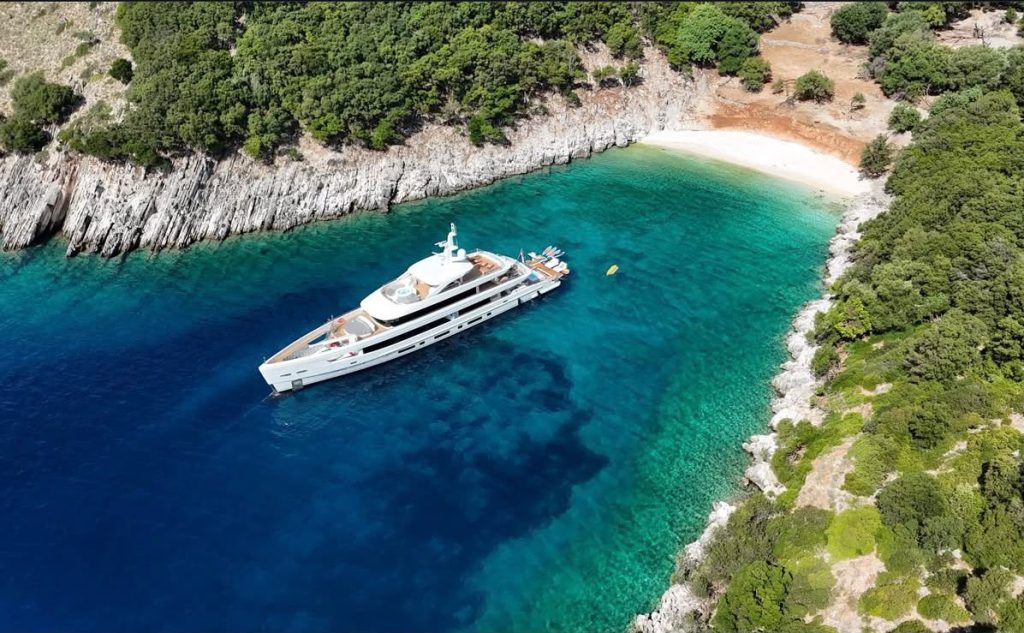
The Adriatic coastline of Croatia attracts charter yachts, cruise ships and pleasure craft throughout the year.
However, marine tourism can also bring environmental challenges. Vessel wastewater can introduce pollutants into the region’s clear coastal waters.
Bilge water can contain oil, diesel, microplastics and other contaminants. Meanwhile, grey water carries detergents, food particles, pathogens and microfibres.
Croatia Tightens Controls on Vessel Pollution
Croatia ’s Maritime Code prohibits vessels from discharging substances that pollute the sea.
However, enforcing those rules has presented challenges. Vessels must therefore manage wastewater carefully while operating in Croatian waters.
Operators can install grey water holding tanks onboard their vessels. Alternatively, they must avoid bilge discharges and use approved pump-out stations.
That requirement can complicate charter itineraries, particularly for vessels operating across the Adriatic.
Wave MiniBOSS Provides an Alternative
A team of Croatian marine specialists has now implemented another solution.
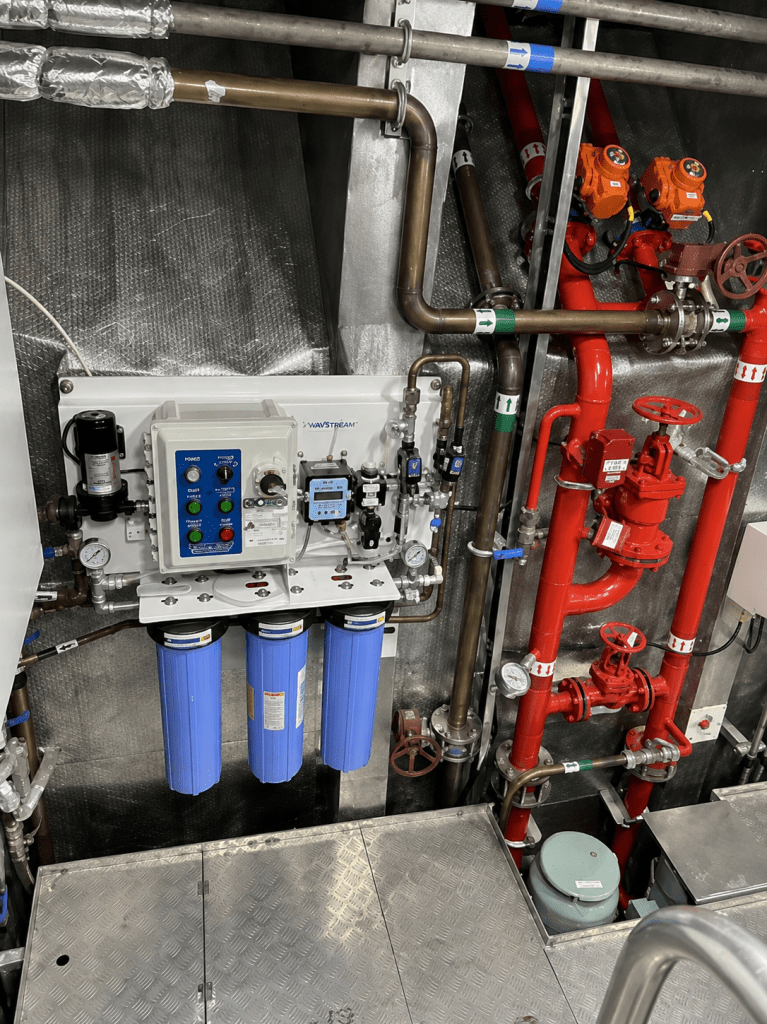
The project uses Wave International’s MiniBOSS bilge water filtration system.
The system automatically treats bilge water before discharge overboard. It also removes pollutants without requiring a dedicated holding tank.
The system has passed the stringent testing required by the Croatian Register of Shipping.
It achieved both Module B and Module D certification under Croatian maritime requirements.
The certification supports the system’s use for preventing vessel pollution across the region.
MiniBOSS Installed on Superyacht ORIY
Torden Marine recently became an approved distributor for Wave International.
Its territory covers Croatia, Slovenia and Montenegro.
For this project, Torden Marine worked with Croatian installation company Solsticij.
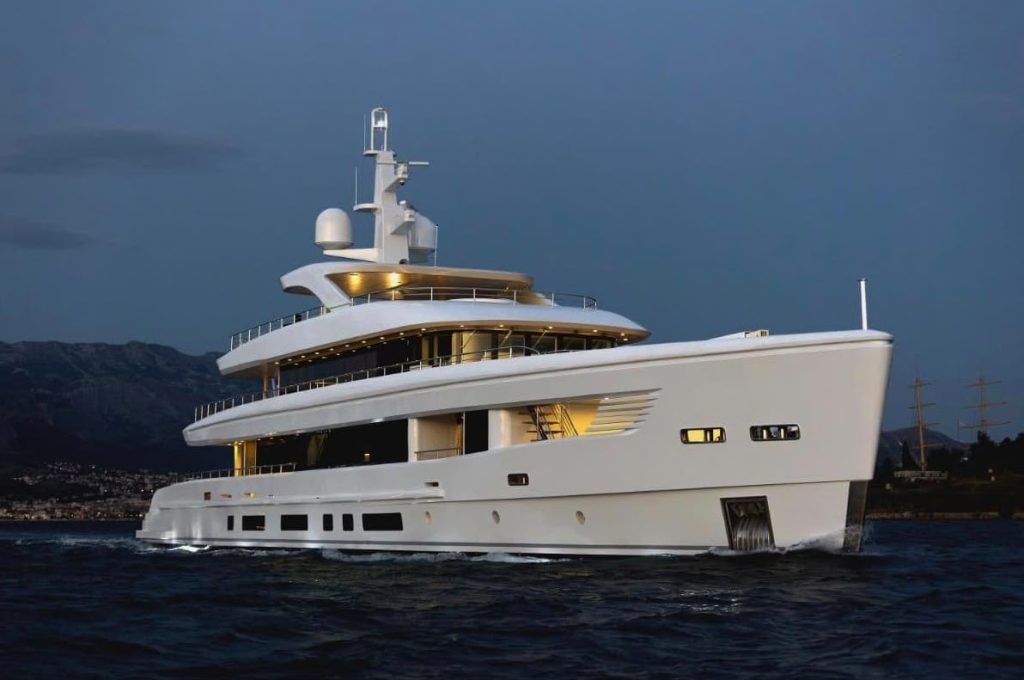
Together, the companies fitted a Wave MiniBOSS system aboard charter superyacht ORIY.
The MiniBOSS works as an oily water separator for the vessel’s bilge system.
It automatically filters pollutants from bilge water while the yacht remains at sea.
The system then discharges legally approved clean water from the vessel’s bilges.
Its compact design also saves valuable space and reduces additional weight onboard.
More importantly, ORIY can operate without planning its itinerary around pump-out stations.
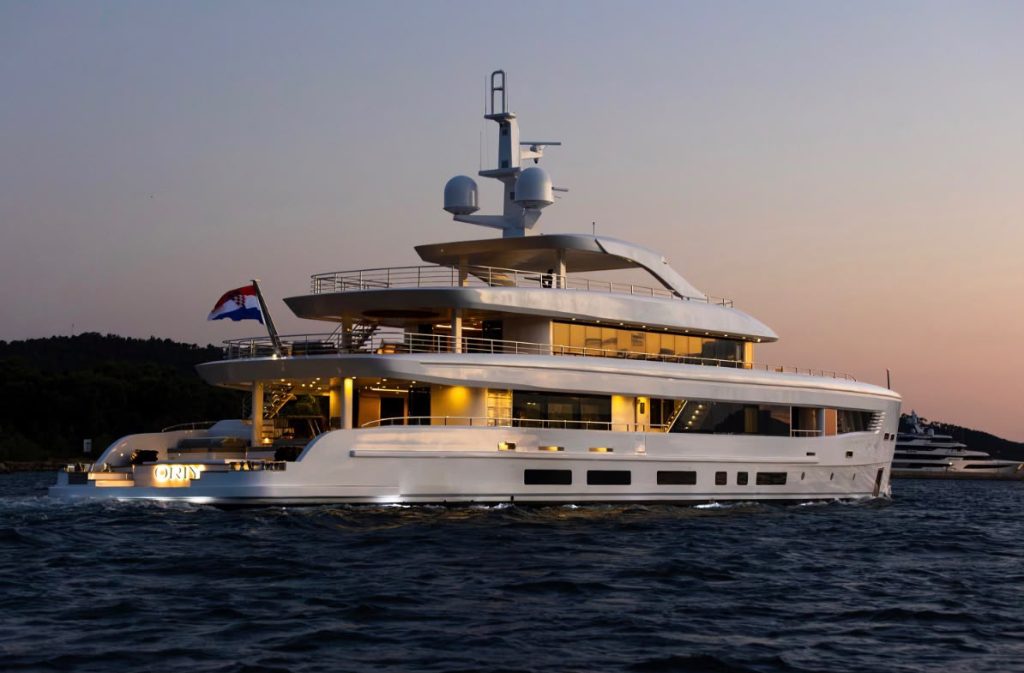
That gives the charter yacht greater freedom when cruising the Adriatic.
Local Expertise Drives the Project
The ORIY installation brought together several Croatian marine specialists.
Domestic subcontractors and local suppliers also contributed to the project.
The team faced stringent technical and certification requirements from the outset.
It first identified a suitable filtration solution for the yacht’s operating needs.
The project then involved design work, technical drawings and installation planning.
Extensive product testing followed to demonstrate the system’s performance.
That evidence helped the team secure the required Croatian Register of Shipping certification.
The process required close cooperation between the technology supplier and Croatian installation specialists.
Tackling Pollution in the Adriatic
Overboard pollution remains an important environmental concern for the region.
Croatia’s popularity with charter yachts makes effective wastewater management increasingly important.
The MiniBOSS installation demonstrates one approach to reducing pollution from yacht bilge systems.
It also highlights the value of combining international technology with local marine expertise.
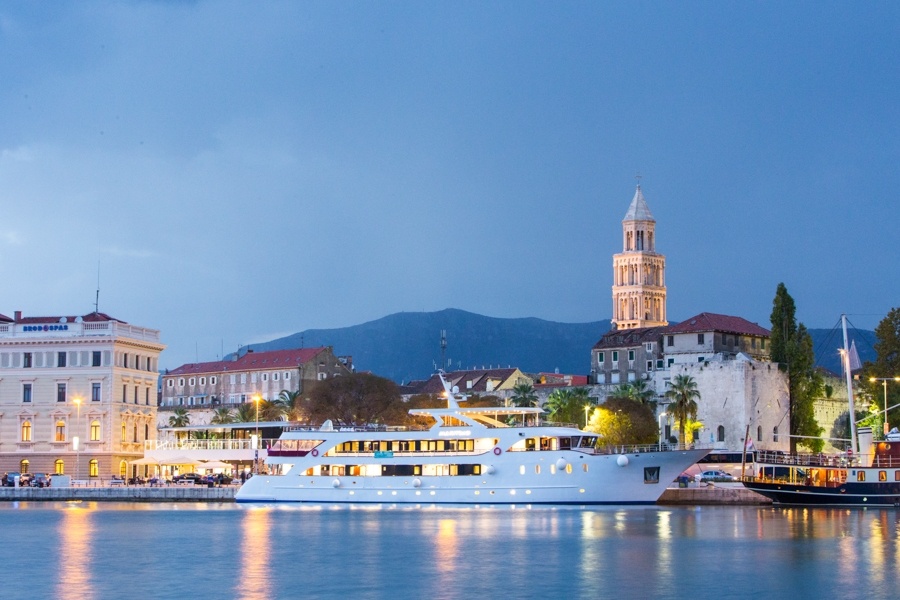
Torden Marine’s successful ORIY project provides an example of that collaborative approach.
The company says the installation demonstrates its ability to develop practical solutions with local partners.
Such systems could help protect the Adriatic’s marine environment as yacht tourism continues to grow.