
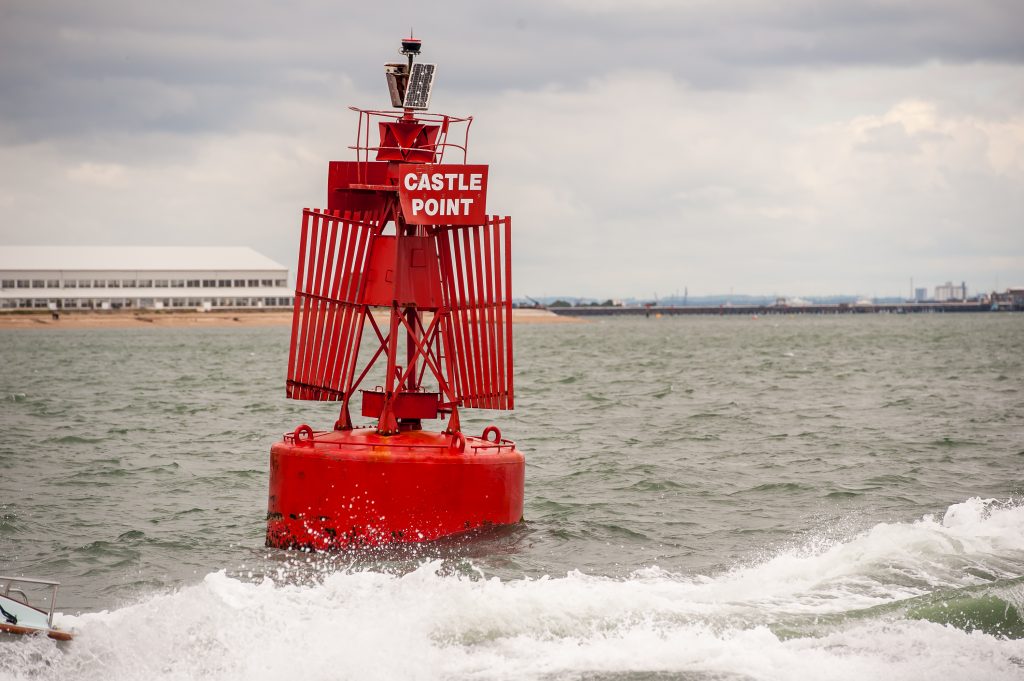
How safe are you when it comes to boating?
As Britain’s rivers, canals and coastal waters fill with holidaymakers this summer, thousands of boaters could be unknowingly breaking rules designed to keep people safe on the water.
While most people understand the dangers of speeding or drink-driving, many lesser-known regulations are routinely overlooked, potentially leading to fines, accidents and serious safety risks.
Karen Wallis, Underwriter and Team Leader at GJWDirect, reveals ten boating mistakes people may not be aware of, and the simple errors that could land them in trouble.
1. Failing to display navigation lights in poor visibility
“Many boaters assume navigation lights only need to be switched on after dark. In reality, they’re also required during fog, heavy rain, mist and any conditions that significantly reduce visibility.
“Yet countless people continue cruising without them, increasing the risk of collisions on increasingly busy waterways.”
2. Failing to give way to sailing boats
“As waterways become busier during the summer months, confusion over right of way can quickly create dangerous situations.

“A common myth is that smaller vessels should automatically move aside. However, under international collision regulations, power-driven vessels are generally expected to give way to sailing boats, except in certain circumstances.”
3. Anchoring where it’s prohibited
“Dropping anchor might seem like the perfect way to enjoy a sunny afternoon, but doing so in the wrong place can cause serious problems.

“Many protected marine habitats, harbours and environmentally sensitive areas have strict anchoring restrictions. Boaters who fail to check local regulations risk damaging wildlife habitats and protected seabeds.”
4. Forgetting sound signal rules
“For many leisure boaters, the horn is viewed as something that’s only used in emergencies. In reality, sound signals play a vital role in communicating intentions and manoeuvres, particularly in poor visibility.
“Failing to use the correct signals when overtaking, changing course or navigating in restricted conditions remains a surprisingly common mistake.”
5. Falling foul of local harbour byelaws
“National boating rules may be familiar, but local regulations often catch visitors off guard.
“Many harbour authorities operate their own speed limits, restricted areas and operational requirements. What is perfectly acceptable in one location could result in penalties just a few miles away.”
6. Misusing VHF radios
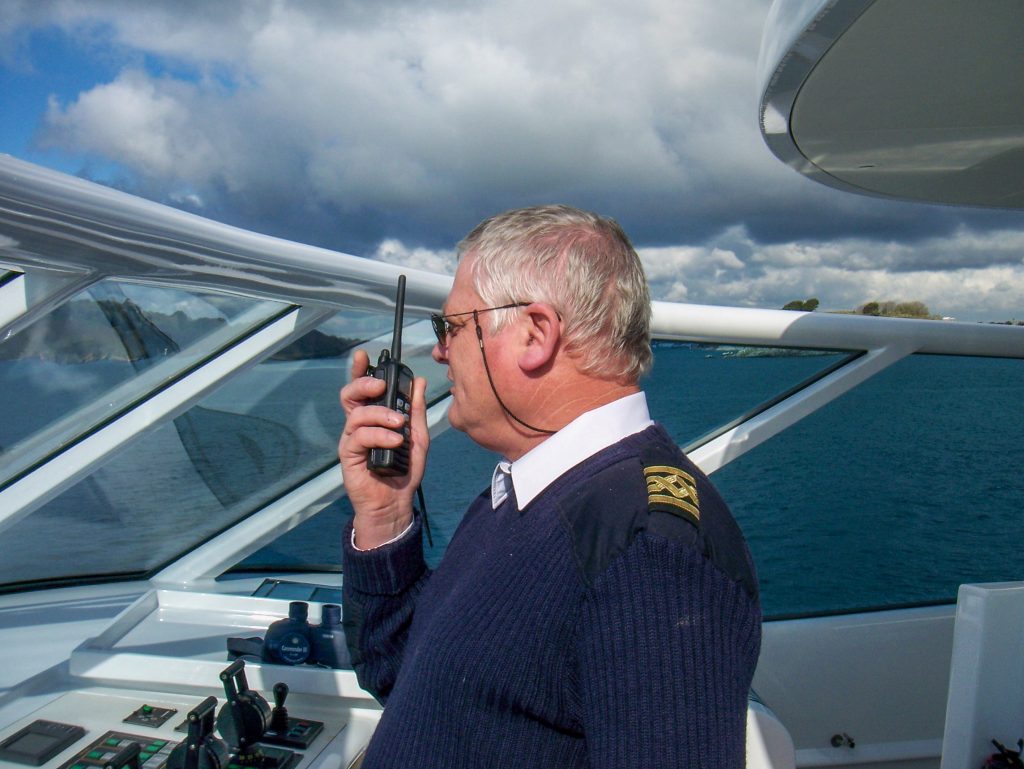
“Simply having a VHF radio on board doesn’t mean it’s being used legally. From chatting on emergency channels to failing to follow correct communication procedures, radio misuse remains a widespread issue among recreational boaters. In some cases, operators may not even hold the qualifications required to use the equipment.”
7. Not wearing a kill cord correctly
“It’s a simple piece of safety equipment that could save your life, yet many boaters still fail to use it properly.
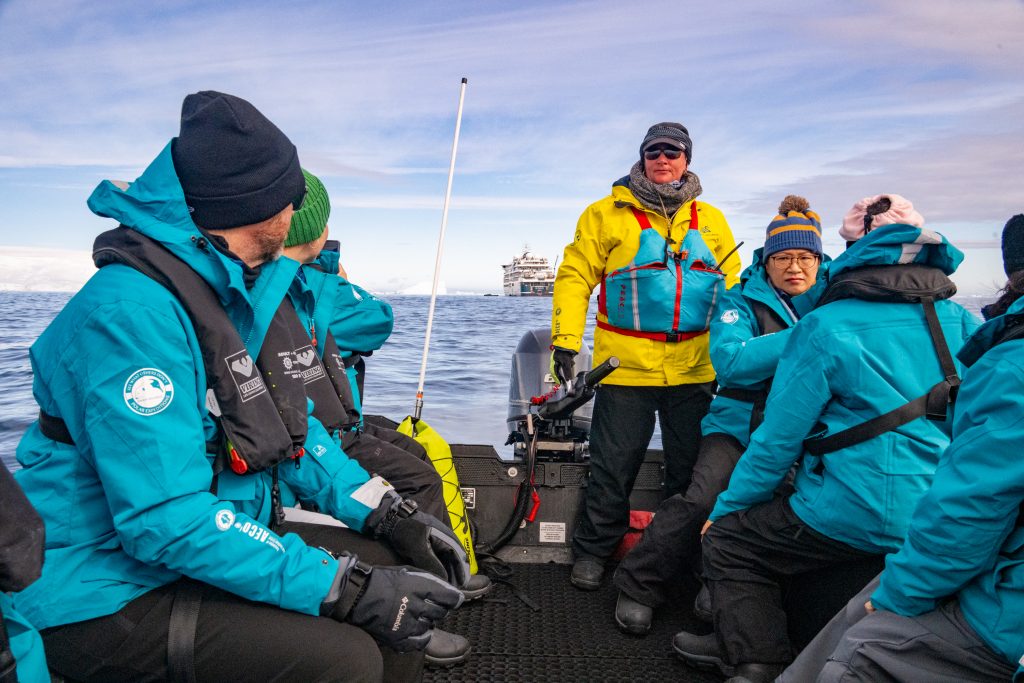
“Kill cords are designed to stop a vessel immediately if the driver falls overboard. However, some users leave them unattached, wear them incorrectly or disconnect them temporarily before forgetting to reconnect them when setting off.”
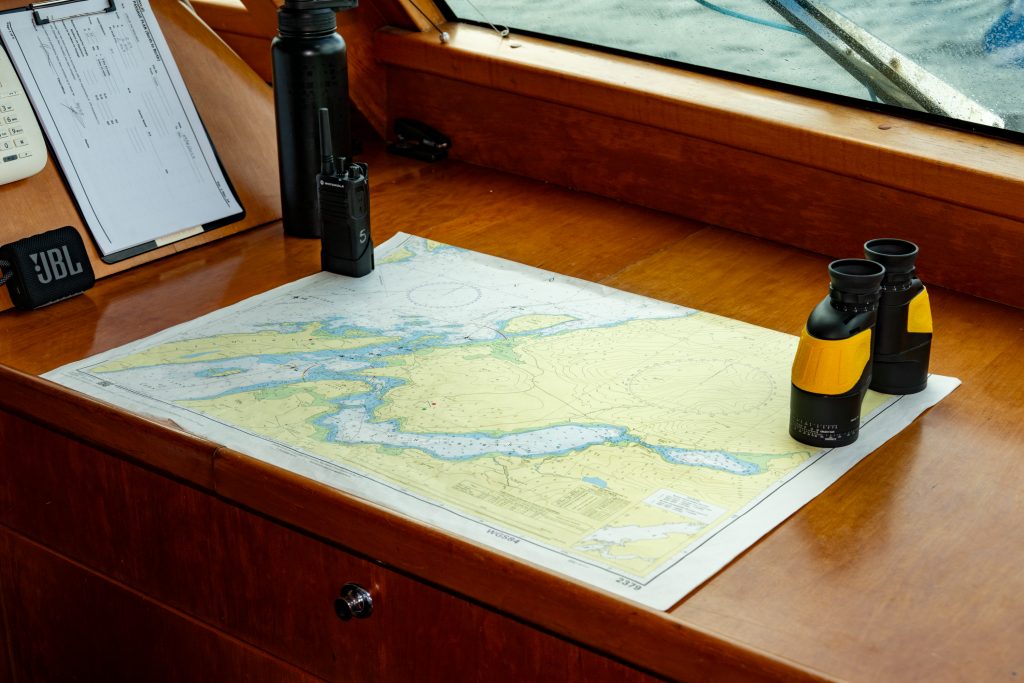
8. Breaking the rules in narrow channels
“Congested waterways become even more hazardous when space is limited. Some boaters cut corners, drift outside designated routes or fail to recognise that larger vessels may be restricted to navigating within marked channels. What may seem like a minor mistake can quickly create major risks for everyone nearby.”
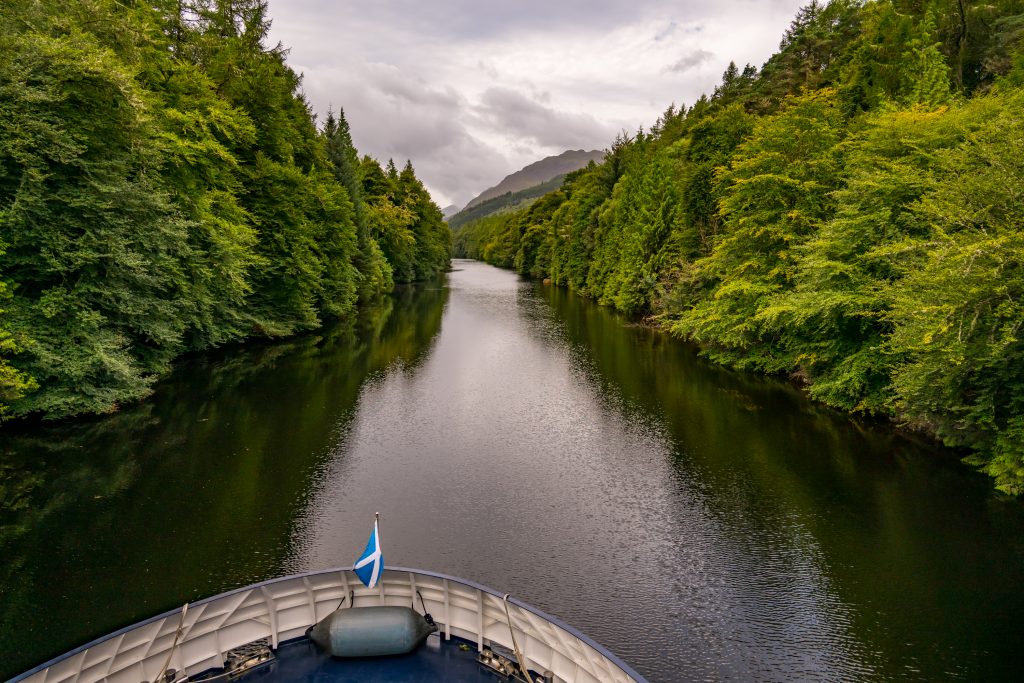
9. Passing too close to swimmers, paddleboarders and kayakers
“The explosion in popularity of paddleboarding, kayaking and open-water swimming has transformed Britain’s waterways in recent years.
“However, not all boaters have adapted. Passing too closely, particularly at speed, can generate dangerous wash and put vulnerable water users at risk, especially during busy summer weekends.”
10. Getting too close to commercial ships
“Large vessels can appear much slower and further away than they really are, leading some recreational boaters to take unnecessary risks.
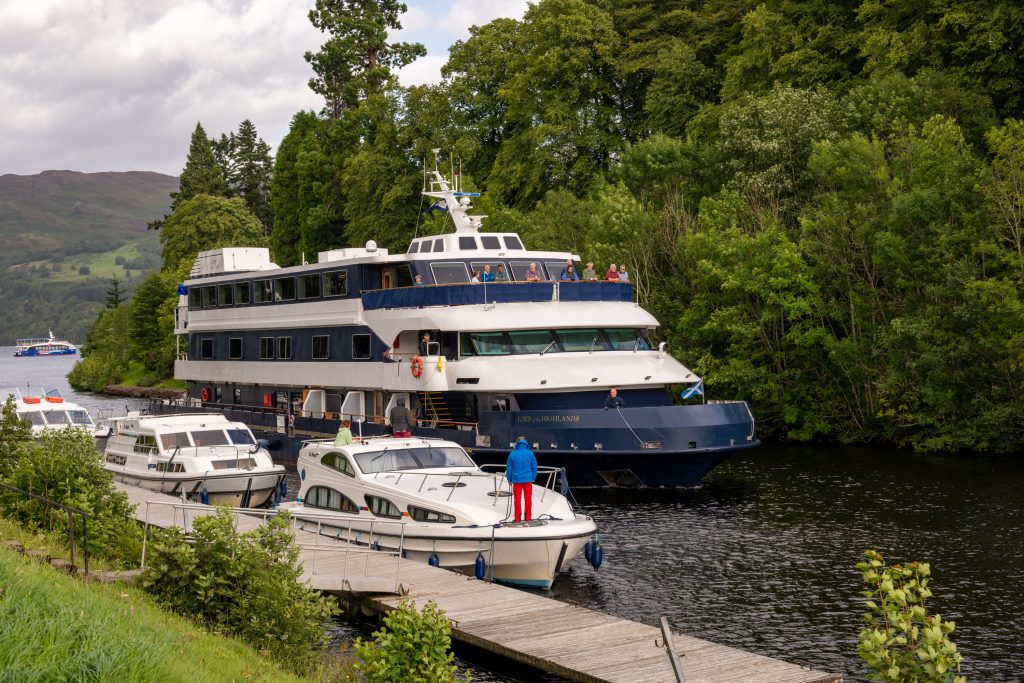
“Crossing in front of ferries, entering exclusion zones or navigating too close to commercial shipping routes can have serious consequences. Unlike smaller craft, large ships often have limited ability to stop or change course quickly, making these encounters especially dangerous.”