
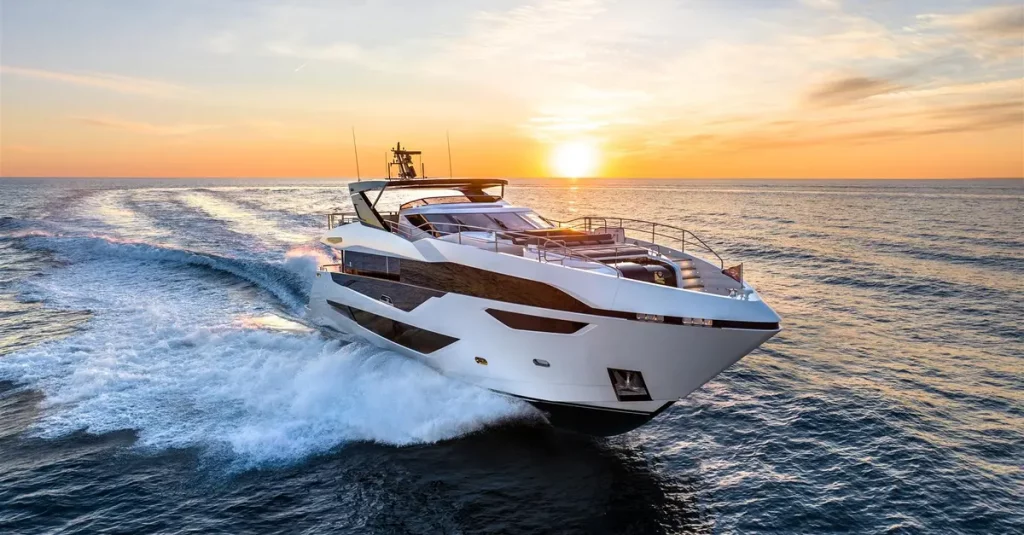
Sunseeker has been recognised as an early adopter of Wave International’s environmentally focused bilge filtration technology. The move highlights the builder’s long-term commitment to protecting oceans and inland waterways.
Pioneering Cleaner Bilge Water Technology
When Wave International launched its first bilge water filter systems 25 years ago, adoption proved challenging. Founder Paul Gullett knew persuading builders to fit non-mandatory systems would take time. “From my offshore background, I understood the damage oil and diesel cause at sea,” said Gullett. “However, leisure builders initially resisted adding non-regulatory equipment.” Wave International introduced its Wavestream bilge filter system in 2000. At the same time, environmental awareness across the marine sector slowly began to grow.
UK Manufacturing and Strategic Partnerships
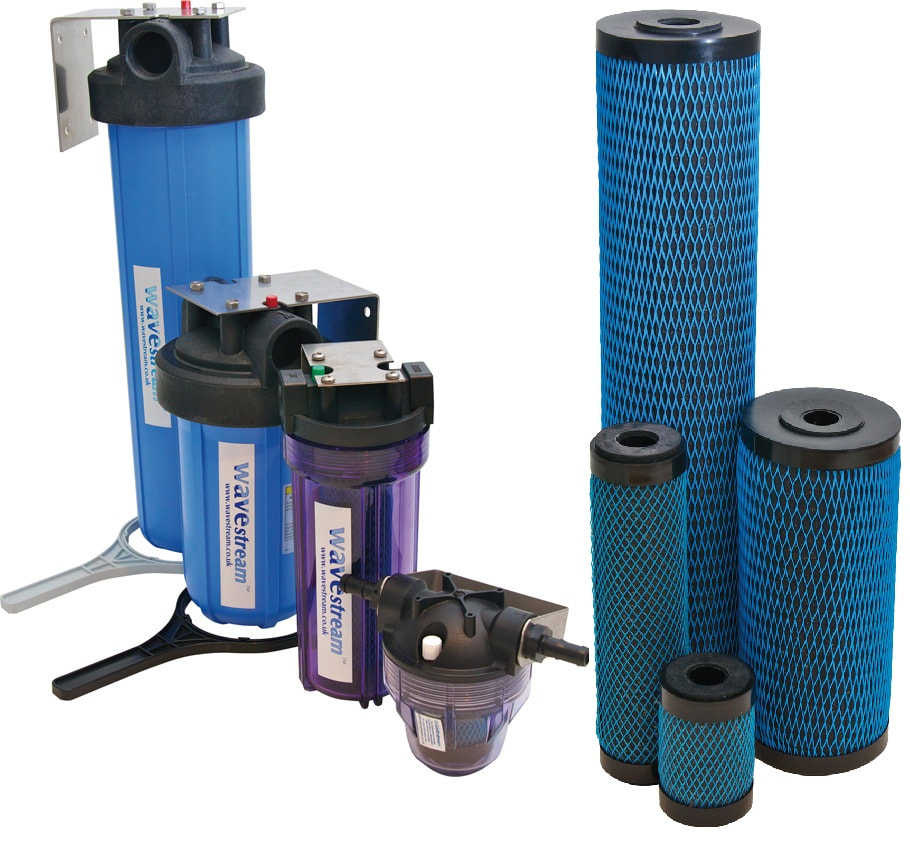
Wave International manufactures its filtration systems in the UK. The company appointed Halyard (M&I) Ltd as its UK distributor. Together, they promoted Wavestream systems to major British boatbuilders.
Sunseeker soon emerged as a key early supporter. David Johnson, Managing Director at Halyard, praised the partnership. “The Wave range fits perfectly with Halyard’s environmental strategy,” he said. He added that Sunseeker’s continued installation demonstrates genuine environmental responsibility.
Sunseeker Integration Across the Fleet
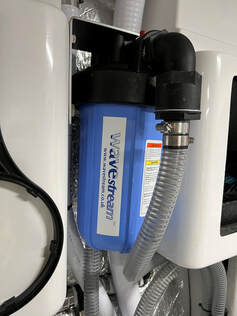
Sunseeker worked closely with Wave International and Halyard during development. The aim was seamless integration across its yacht range. Jon Robins, Head of Engineering Design at Sunseeker, explained the approach. “The system had to be approved, reliable, compact, and easy to maintain,” he said. Easy filter access also mattered, allowing straightforward annual replacement. The system strengthened Sunseeker’s environmental credentials with owners.
Two Decades of Standard Fitment
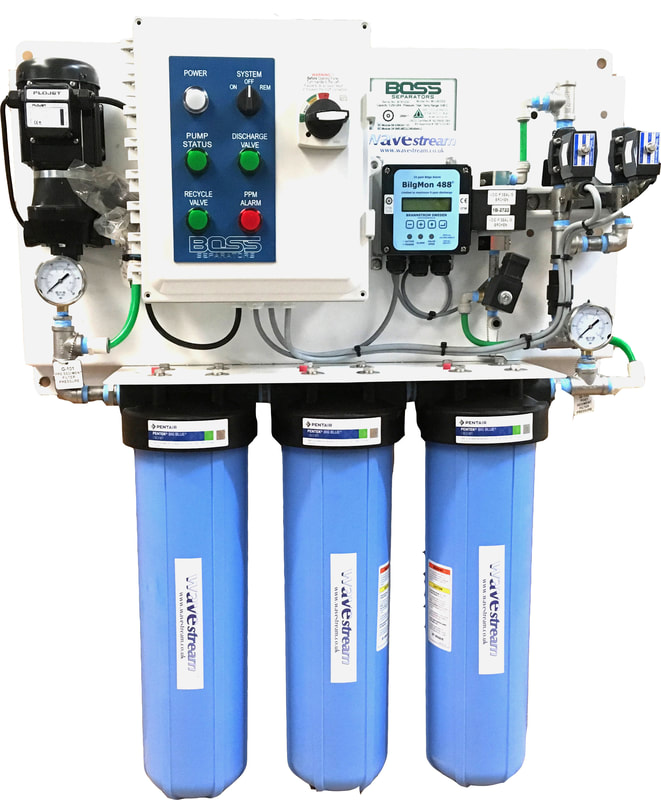
Sunseeker has fitted Wavestream bilge filters as standard for 20 years. Installations span models from the Hawk 38 to the 100 Yacht. The advanced filtration prevents oil and diesel discharge overboard. It also captures microplastics, microfibres, paint particles, and chemicals.
Understanding the Impact of Bilge Pollution
Many boaters underestimate bilge water pollution risks. Even small oil traces create visible surface “blueshine”. One oil drop in 0.5 litres equals 40 parts per million pollution. That figure exceeds global discharge limits. UK regulations allow only 15 ppm at sea. Inland waterways and special areas permit just 5 ppm. As Marine Protected Areas expand, compliance grows increasingly important.
Reflecting on 25 Years of Progress
As Wave International marks its 25th anniversary, industry attitudes continue evolving. Environmental protection now influences both design and purchasing decisions. “When we started, sustainability barely featured,” said Gullett. “Today, filters still capture surprising oil and microplastic volumes.” He added that electric propulsion alone does not eliminate pollution risks. Small, affordable bilge filters remain a vital environmental safeguard.