
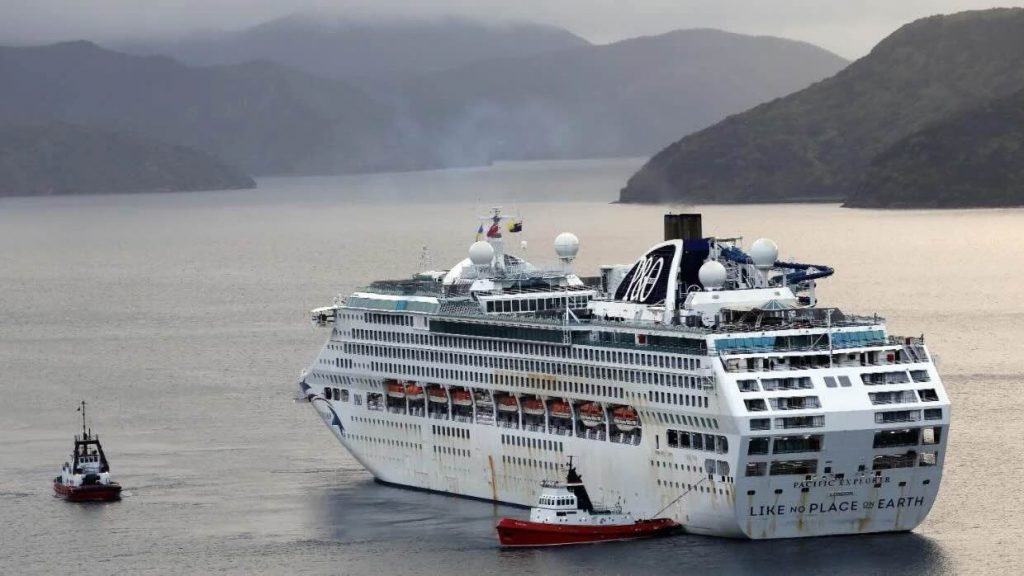
More than 740 jobs have disappeared as cruise ships increasingly skip New Zealand’s South Island.
Consequently, small port towns have suffered the greatest economic impact.
A sharp decline in cruiseship visits removed many cruise-supported roles within just one year. Industry data shows the South Island now supports just over 2,100 cruise-related jobs. That figure fell from 2,843 jobs the previous season, representing a 26 percent decline.
Job losses spread across ports, ground handlers and tour operators. Coach drivers, guides, retailers and hospitality businesses also felt the impact. Nationwide, cruise-supported employment fell from 9,743 to 8,253 jobs between 2023/24 and 2024/25. That represents a 15.3 percent drop. Meanwhile, total cruise-related wages declined by NZ$41.6 million to NZ$384.2 million.
Rising Costs and Uncertainty
The decline follows a post-Covid peak in ship activity. Since then, cruise lines have scaled back operations across New Zealand. Rising operating costs, regulatory changes and access uncertainty have driven that pull-back. As a result, South Island ports have taken a disproportionate hit.
The port of Marlborough recorded the steepest decline. Almost half of its cruise-supported jobs vanished in a single season. At the same time, passenger spending dropped from NZ$60.6 million to NZ$36.4 million. Elsewhere, Otago saw cruiseship-related employment fall sharply. Canterbury, including Lyttelton and Akaroa, also reported significant losses.
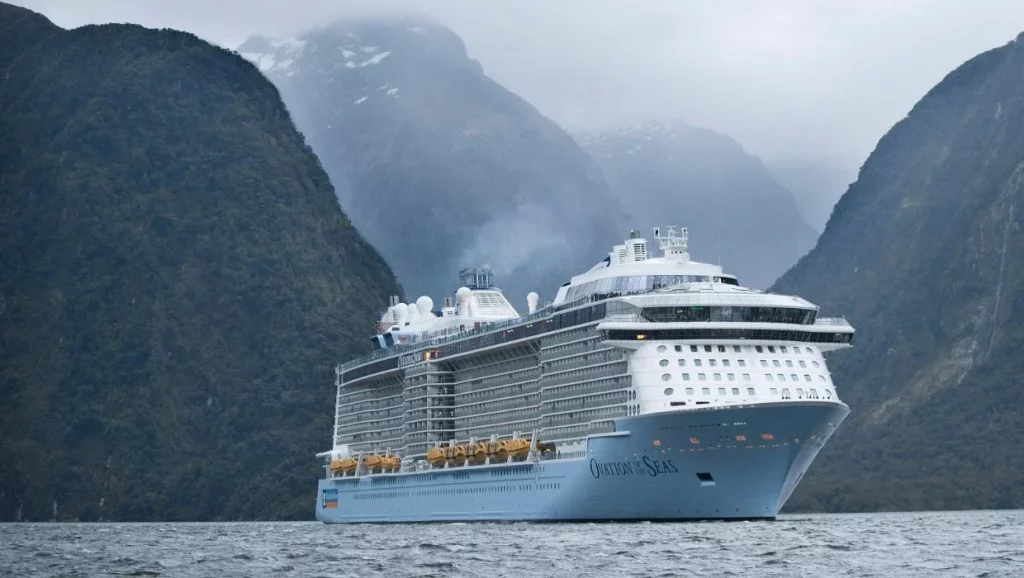
The South Island’s losses far exceed those in the North Island. While the North still supports over 6,000 jobs, numbers fell by around 10 percent. By contrast, the South Island’s 26 percent decline mirrors the loss of a major employer in each port.
Signs of Recovery
However, some early positive signs have emerged. Carnival Cruise Line has committed to restoring winter cruising from Auckland in 2027. The new programme will see ships sail from Auckland to Pacific Island destinations.
In addition, recent biosecurity changes at the Port of Auckland may prove transformative. Previously, strict hull-cleaning rules forced some ships to remain offshore or skip New Zealand calls. Now, approved in-water cleaning can take place while passengers go ashore. As a result, cruise lines can resolve issues without cancelling visits. That flexibility could help retain ships, spending and jobs across New Zealand.