
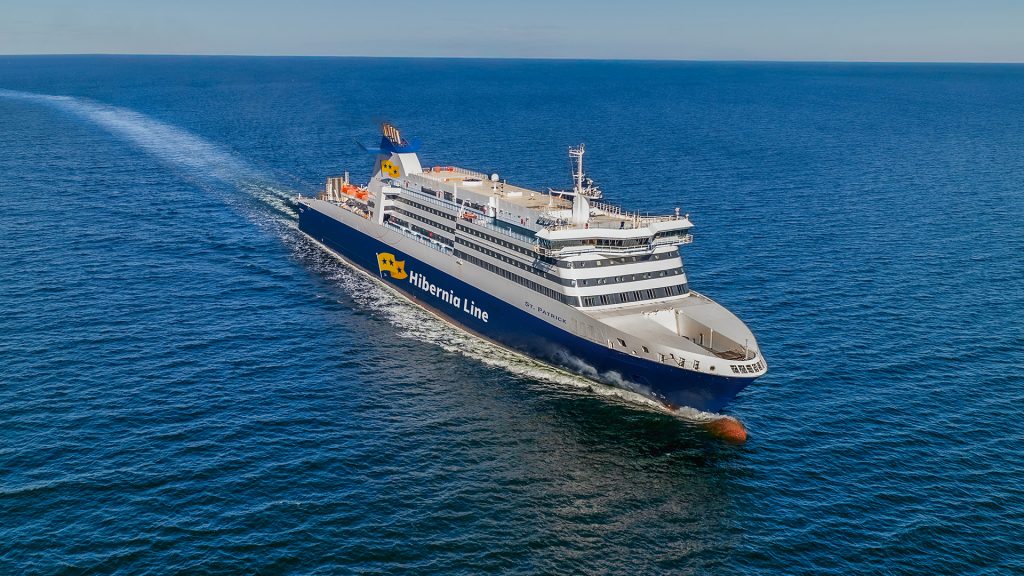
A new service from Cork to France will cut costs and boost European trade
The new service will create a direct link between Ireland and mainland Europe
Irish producers and freight operators will soon gain a faster route into Europe. A new direct ferry service aims to reduce costs, paperwork and transit times.
Instead of crossing the Irish Sea and driving through Britain, hauliers can now sail directly from Cork to northern France.
The new, year-round, service launches next month under Hibernia Line.
Bookings are now open for six, weekly, sailings between Ringaskiddy, Cork, and Boulogne-sur-Mer, France. The route creates a direct connection between Ireland and mainland Europe without leaving the EU.
Direct Access Removes UK Transit Challenges
Until now, many Irish freight operators faced a complex journey. They crossed the Irish Sea, travelled through Wales and England, and then boarded another ferry to continental Europe.
That process increased fuel costs, extended driver hours and added customs administration.
The new Cork to France route offers a simpler alternative. Producers, exporters and hauliers can board in Ireland and arrive directly in northern France.
Boulogne-sur-Mer last operated as a ferry port in 2010 following the closure of LD Lines services on the Dover route.
Six Weekly Sailings Planned from Mid-June
Hibernia Line will operate the ferries St Patrick and Akka on the route.
Services begin in mid-June 2026 with six departures each week in both directions.
The company designed the schedule around overnight travel.
Passengers will board in Cork at 9pm and arrive in France the following evening. Return sailings leave Boulogne-sur-Mer at 10pm CET and arrive in Cork the next day.
According to local tradition, Saint Patrick was born in Boulogne-sur-Mer. One vessel’s name reflects that historic connection.
Freight Capacity and Passenger Comfort Combined
Hibernia Line expects the route to carry more than 250,000 passengers annually.
The company, headquartered in Cork, plans to create up to 250 jobs across Ireland and France. Around 200 positions will support vessel operations.
Some cadet opportunities will also involve trainees from the National Maritime College of Ireland in Ringaskiddy.
Hibernia Line receives backing from Goodman Group, the Australian infrastructure and real estate operator. That support reflects confidence in the route’s long-term potential.
New Capacity Supports Resilient Supply Chains
The operator says the new connection will strengthen Ireland’s links with mainland Europe.
Direct services increase freight resilience, reduce pressure on existing ports and expand transport options.
Hibernia Line says reliability, frequency and operational consistency remain central to the service.
For freight customers, the route provides a direct corridor into continental Europe.
As congestion grows elsewhere, the Cork–France link adds flexibility for manufacturers, exporters and logistics providers.
The service operates six days each week throughout the year. Overnight crossings also allow drivers to travel with dedicated cabins.
Modern RoPax Vessels to Serve the Route
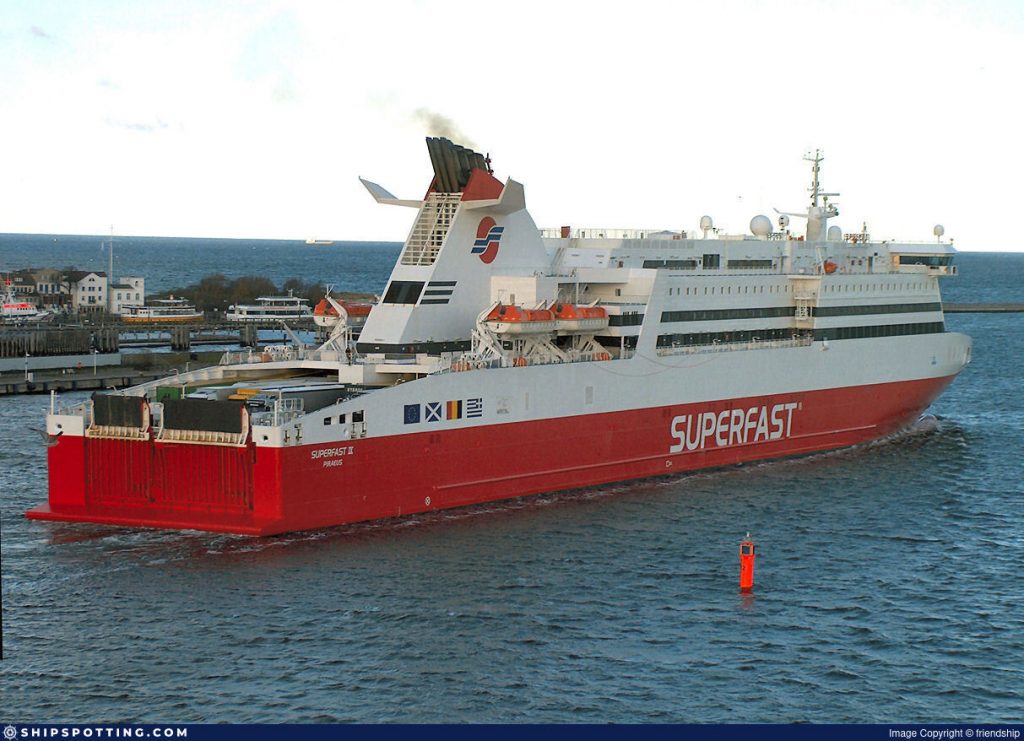
The 2002-built RoPax vessel St Patrick (formerly Superfast IX) offers 2,200 lane metres and 193 passenger cabins.
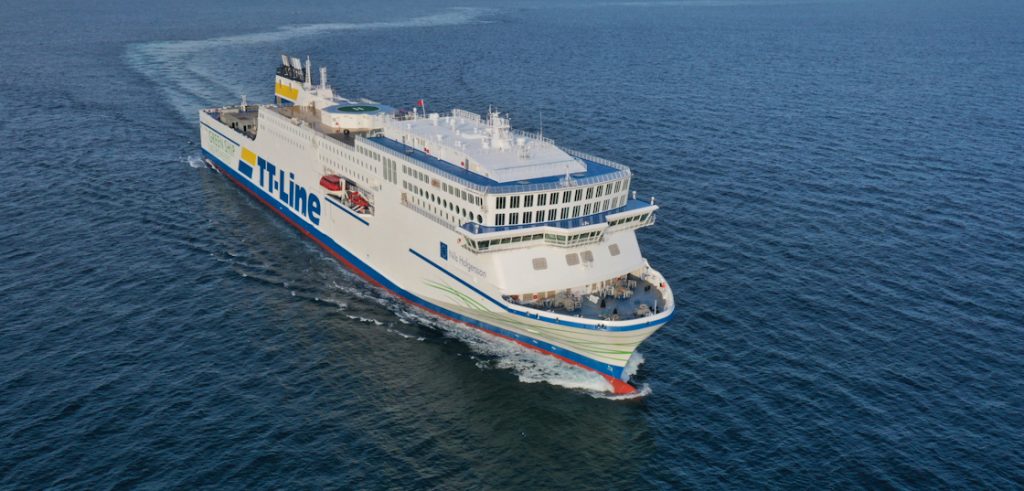
Akka, built in 2001 as Nils Holgersson for TT Line, provides 2,500 lane metres of freight and vehicle capacity.
The vessel also includes 227 cabins and accommodates up to 600 passengers.
Hibernia Line expects to rename Akka as St Killian when she joins the fleet.
Both vessels target comfort on longer crossings.
Facilities include private cabins, accessible accommodation, pet-friendly spaces, dining areas, lounges, children’s facilities and onboard gaming.
A New Gateway Between Ireland and Europe
For passengers, the service opens easier access to France and onward connections.
Travellers can continue to Belgium, the Netherlands, Germany and destinations across Europe.
Equally, visitors arriving in France will gain improved access to Ireland’s west coast and the Wild Atlantic Way.