
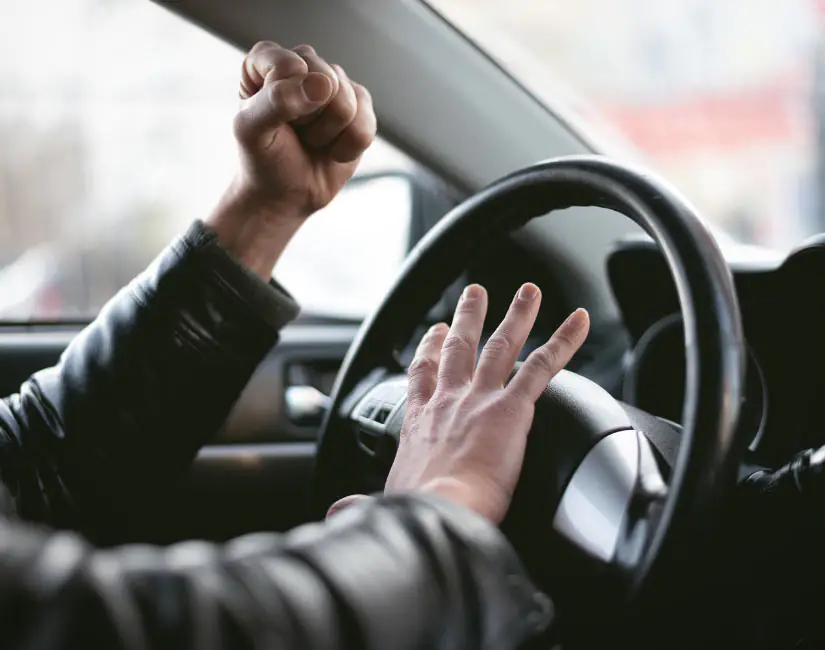
Google searches for “road rage in the UK” have risen 180% year-on-year, and the frustration clearly isn’t staying online. Nearly 40% of UK drivers say they’ve experienced road rage in the past year, with almost half describing it as a regular occurrence.¹
With this in mind, Zego has partnered with psychologist Dr Lori Bohn to examine what’s really driving the spike, and why so many of us are unknowingly making it worse.
Road rage often starts with small, everyday driving moments. However, it can quickly escalate into anger and aggressive reactions behind the wheel.
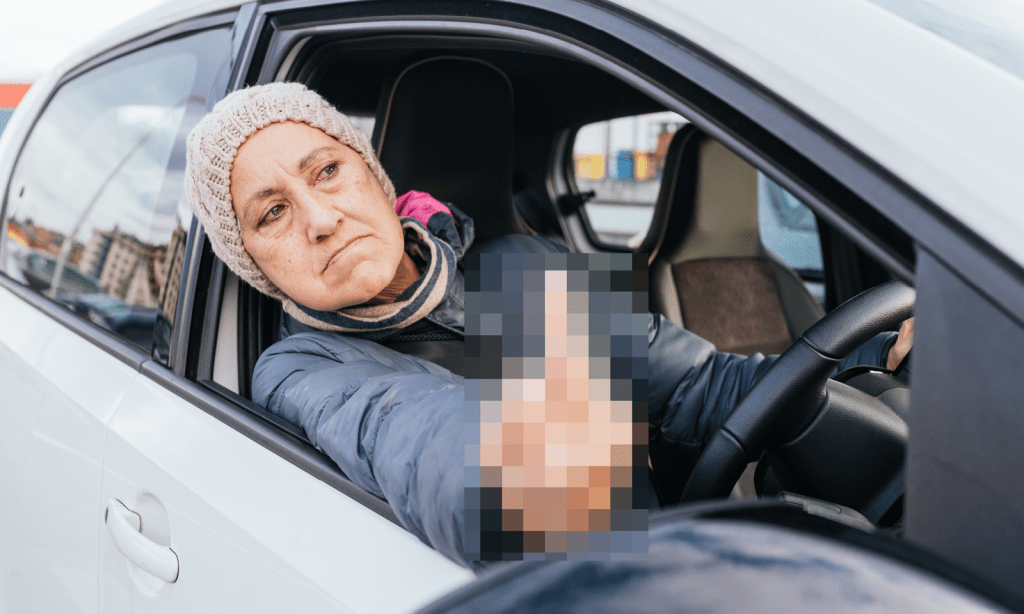
Cutting someone off remains one of the most common triggers. Similarly, sudden lane changes and unexpected manoeuvres cause frustration for many drivers.
Around one-third of motorists say these behaviours contribute directly to road rage incidents.
Why Drivers Assume Intentional Aggression
Psychologist Dr Lori Bohn explains that drivers often misread intentions on the road.
She says people often assume hostile intent when actions feel unclear. For example, being cut off can trigger thoughts like “they did that on purpose”.
This reaction increases anger much faster than assuming a simple mistake.
This thinking reflects what psychologists call hostile attribution bias. In short, drivers interpret ambiguity as deliberate aggression.
Why Cars Reduce Social Awareness
Drivers often forget that real people sit behind the wheel of other vehicles.
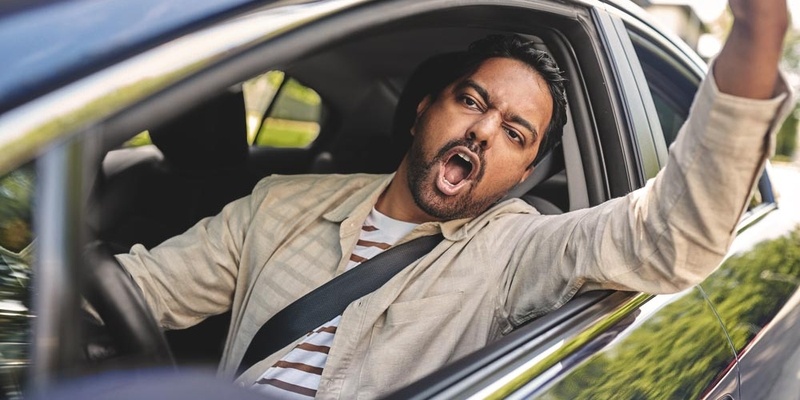
This sense of separation reduces empathy and increases frustration. As a result, minor mistakes feel more personal.
Studies show this effect clearly. Nearly half of drivers admit to swearing at others. Meanwhile, around 30% report making aggressive gestures.
Dr Bohn adds that vehicles create psychological distance. Drivers see obstacles rather than people, which lowers restraint.
How External Stress Fuels Road Rage
Road rage rarely begins on the road. Instead, it often reflects wider life pressures.
Research shows four in ten drivers feel stressed or overwhelmed several times a week.
Financial pressure, time constraints, and post-pandemic stress all contribute. Driving then becomes a release point for emotion.
CEO Sten Saar of Zego explains that many drivers carry this stress into their journeys. Therefore, small delays can trigger strong reactions.
He recommends planning ahead and leaving earlier. This reduces pressure and lowers emotional tension before driving begins.
Why Small Mistakes Escalate Quickly
Once emotion takes over, rational thinking decreases. As a result, minor incidents escalate more easily.
This becomes more concerning when considering that many UK drivers experience road rage multiple times each week.
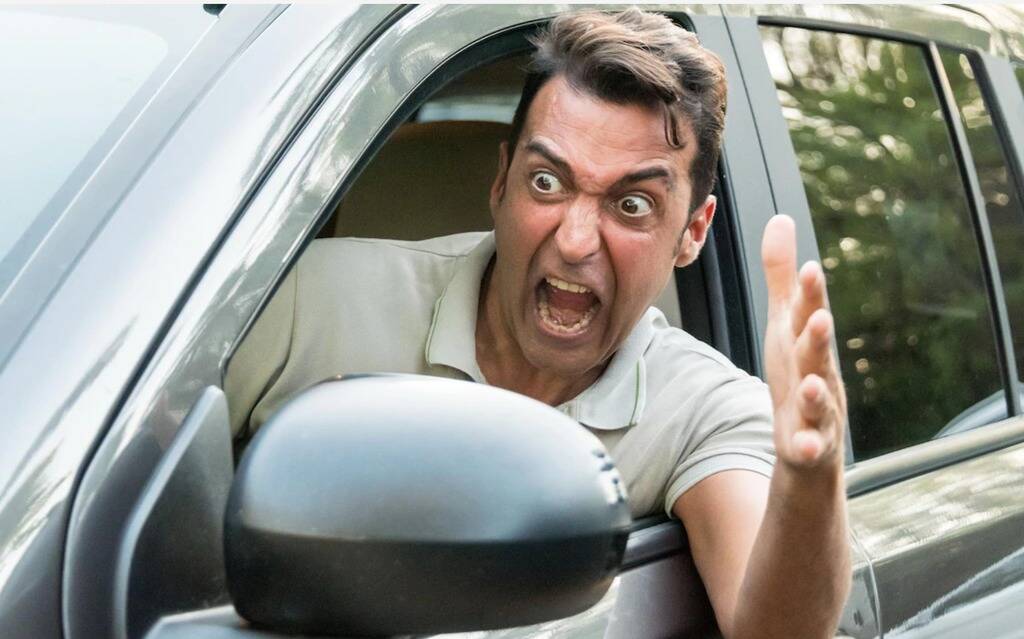
Early warning signs include tension, faster heartbeat, and the urge to react immediately.
Recognising these signals helps interrupt escalation before it builds further.
Simple Ways to Regain Control
Although reactions feel automatic, drivers can regain control with simple techniques.
Many drivers respond to frustration by honking their horn. However, small changes can reduce stress significantly.
Dr Bohn suggests controlled breathing techniques. Extending the exhale longer than the inhale helps calm the nervous system.
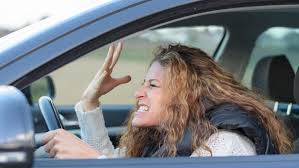
She also recommends practical resets. These include loosening grip on the wheel, lowering music volume, and increasing following distance.
The “Buffer Mindset” for Safer Driving
Expecting mistakes from other drivers can reduce emotional reactions.
Tailgating alone frustrates around one-third of UK motorists. Therefore, space between vehicles plays a key role in reducing tension.
Dr Bohn calls this approach a “buffer mindset”.
This mindset encourages drivers to expect errors from others. As a result, frustration decreases and patience improves.
Why Driving Should Not Feel Like Competition
A competitive mindset often increases anger on the road.
Many drivers now believe roads have become more aggressive in recent years. This perception reinforces stress and conflict.
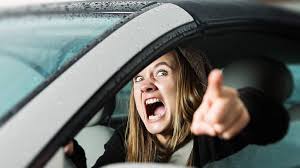
Dr Bohn advises reframing driving as cooperation rather than competition.
When drivers stop treating roads like a contest, tension reduces. Consequently, safety improves for everyone.
Final Thoughts
Road rage often comes from interpretation, stress, and mindset rather than traffic alone.
However, small changes in thinking can make a significant difference.
Planning ahead, staying calm, and expecting mistakes all help reduce stress.
Ultimately, better awareness leads to safer and more relaxed campervan journeys across the UK.