
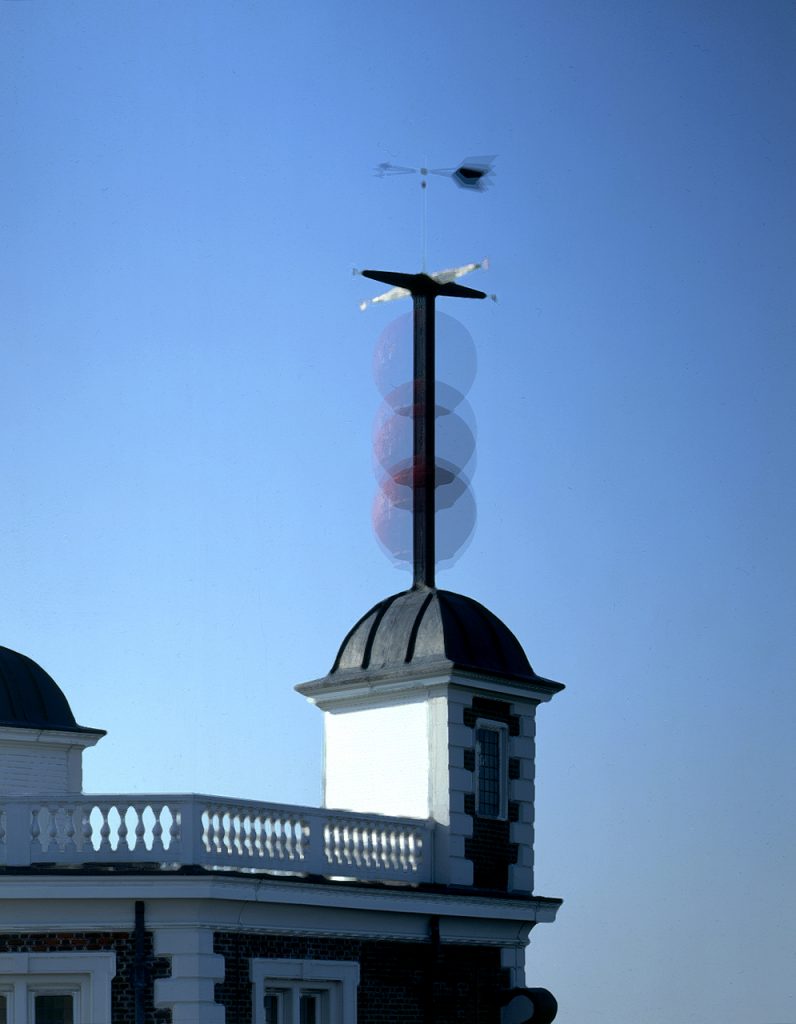
Did you watch the ball drop? As midnight struck on New Year’s Eve 2025, the Constellation Ball descended in New York’s Times Square. Thousands gathered to watch the ball drop and welcome in the New Year.
The modern New York ball drop began in 1907. City officials banned New Year’s fireworks due to fire risks. As a result, organisers chose a safer alternative.
They adapted an existing maritime timekeeping device. That device was the time ball.
The Maritime Origins of the Time Ball
However, the tradition did not begin as entertainment. Instead, it has deep maritime roots. Time balls first appeared in 1829. They helped sailors calculate accurate positions at sea.
Navigators could measure latitude using the sun, a sextant, and an almanac. Longitude required precise timekeeping. To find longitude, sailors compared local noon with chronometer time. Chronometers usually ran on Greenwich Mean Time.
Marine chronometers became reliable in the late eighteenth century. John Harrison pioneered early designs for use at sea. By the nineteenth century, chronometers were standard on naval vessels. Merchant ships soon followed.
Solving the Chronometer Problem
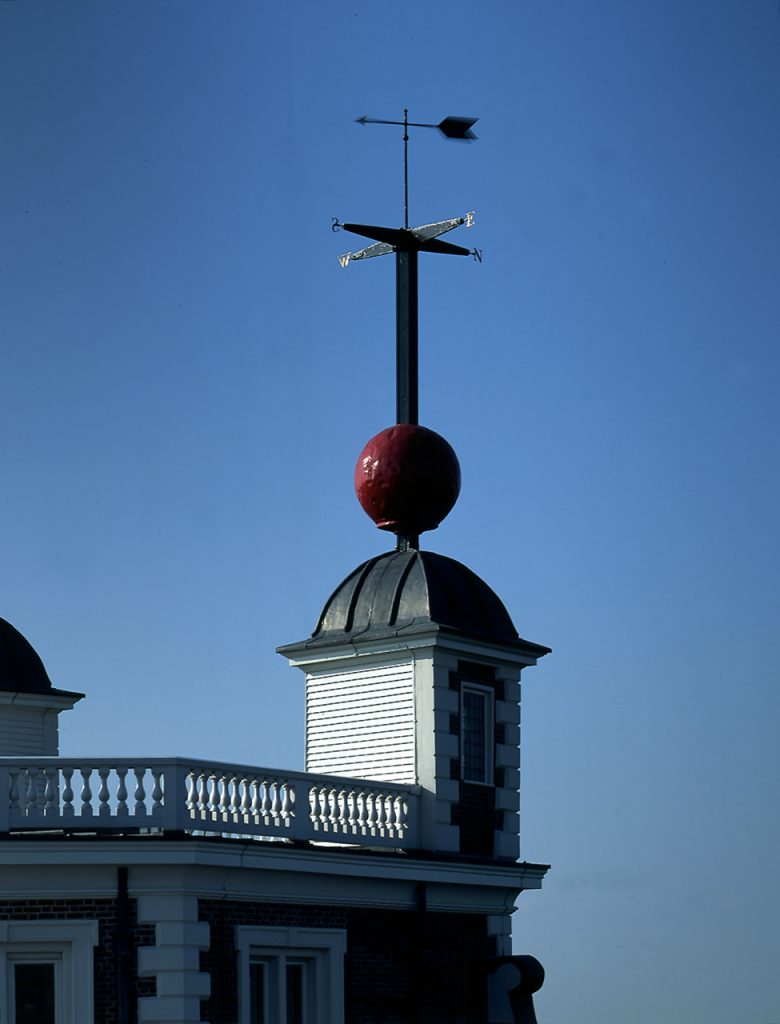
Setting a chronometer accurately remained difficult. Royal Navy Captain Robert Wauchope solved the problem in 1829. He invented the time ball. A large ball sat atop a pole overlooking busy harbours. At a precise moment, usually noon, the ball dropped. Navigators adjusted their chronometers as it began to fall.
Worldwide Spread and Demise
The first time ball appeared in Portsmouth in 1829. Greenwich Observatory followed in 1833. The United States lter installed one in Washington in 1845. Ports worldwide soon adopted the system.
Radio time signals emerged during the 1920s. They made time balls largely obsolete. However, some traditions continue. Greenwich and the US Naval Observatory still drop time balls daily.