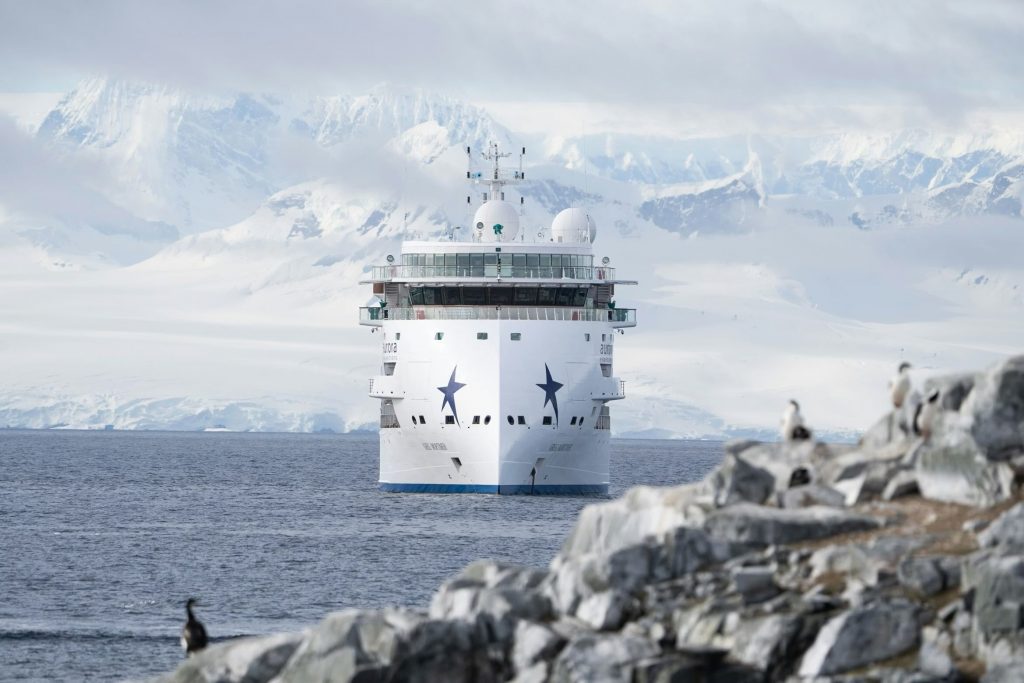
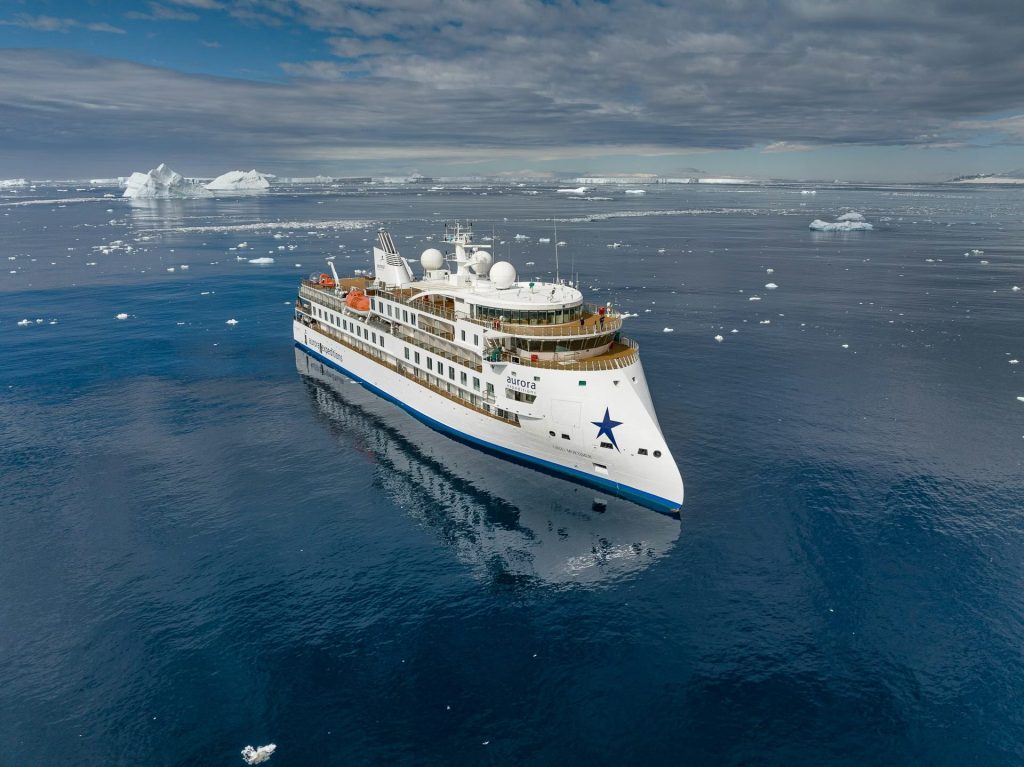
National Geographic–Lindblad Expeditions has expanded its Alaska programme from 2027 to meet rising traveller demand. The company will charter the expedition ship Greg Mortimer for three years, supporting growth and new itineraries.
This move follows the planned retirement of National Geographic Sea Bird and National Geographic Sea Lion after their 2026 farewell season.
For nearly 40 years, Lindblad Expeditions shaped modern expedition cruising in Alaska. They pioneered small-ship access to remote regions and expert-led exploration.
Demand continues to grow as guests seek deeper wilderness experiences guided by seasoned expedition teams. Chartering Greg Mortimer will allow the company to explore further while expanding itinerary options.
Greg Mortimer Enhances Exploration Capability
Greg Mortimer was purpose-built for remote and environmentally sensitive regions. Her Ulstein X-BOW design improves stability and onboard comfort in challenging conditions.
Dynamic positioning technology helps protect fragile seabeds during operations. Multiple Zodiac platforms also support smooth and efficient off-ship exploration.
Large observation spaces further enhance wildlife and scenic viewing opportunities.
Comfort Meets Expedition Design
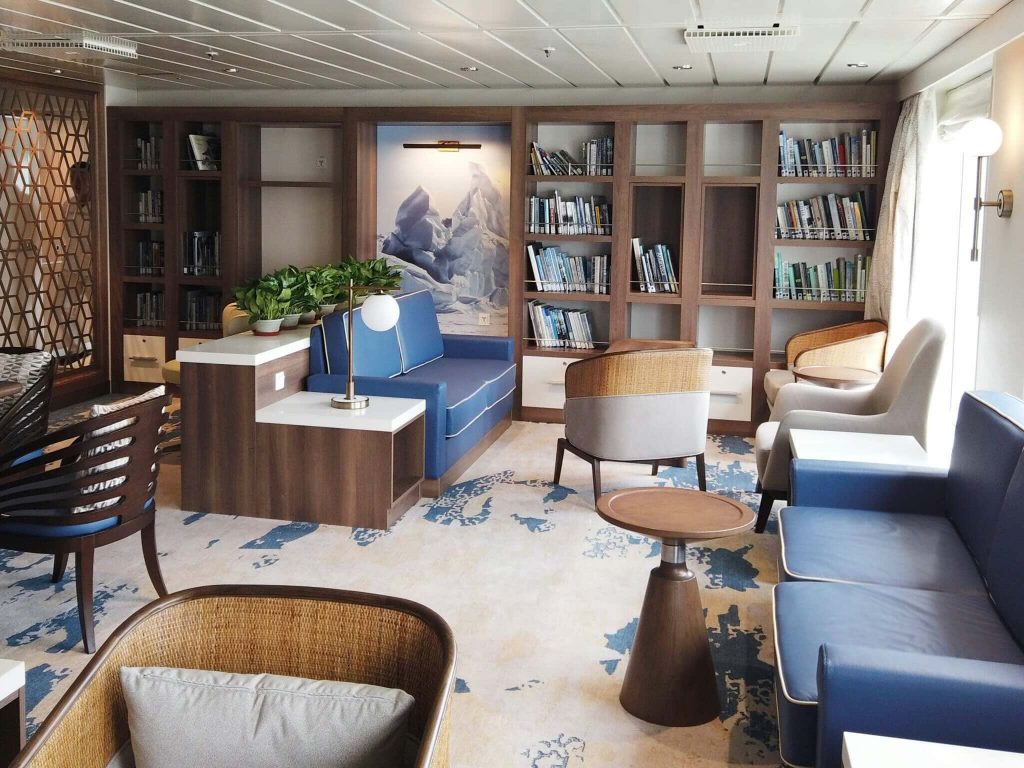
The ship accommodates 154 guests in well-designed cabins, many featuring private balconies. Dedicated learning spaces support National Geographic–style education programmes.
Wellness facilities also complement the brand’s immersive expedition approach. Together, these features support longer journeys and deeper regional exploration.
Iconic Alaska
The expanded Alaska programme will visit some of the region’s most dramatic locations. Highlights include Hubbard Glacier, North America’s largest tidewater glacier.
Guests will explore the Inside Passage through Grenville and Princess Royal Channels, ideal for small-ship cruising. Additional destinations include the Inian Islands, Misty Fjords, Endicott Arm, and Tracy Arm.
Each voyage will feature extensive wildlife encounters and expert-led exploration throughout Southeast Alaska.