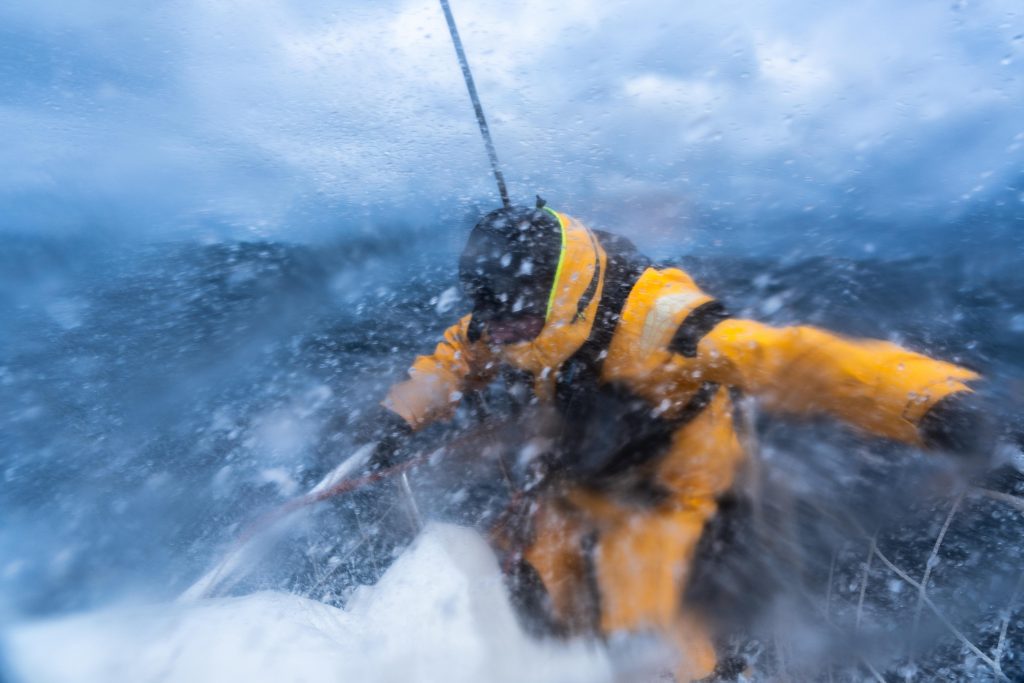
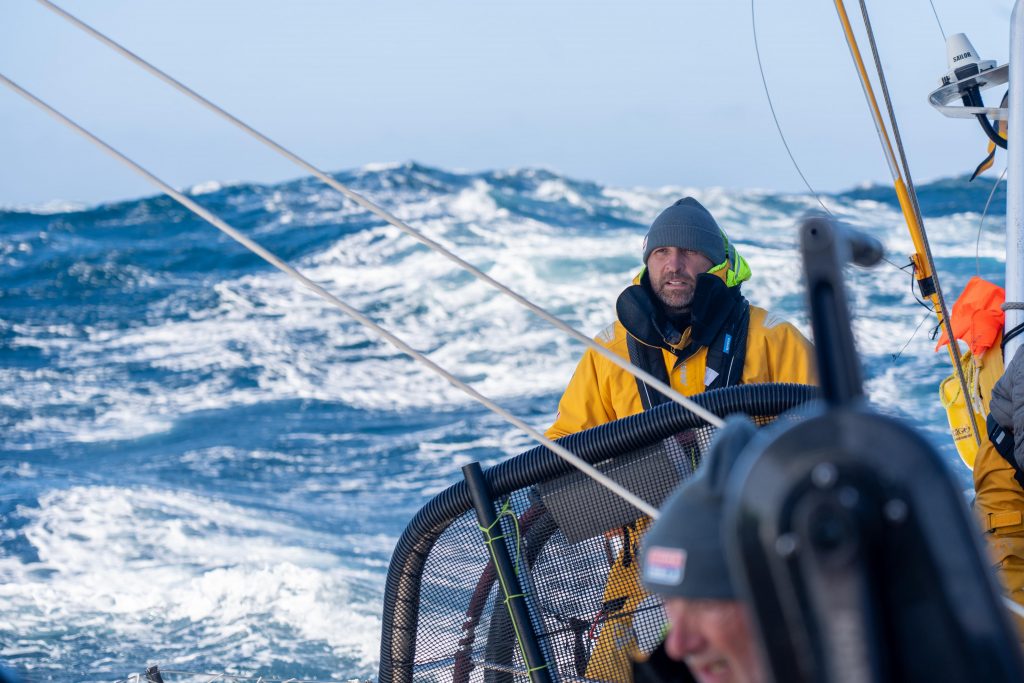
Amateur sailors taking part in the Clipper Race faced one of the planet’s most unforgiving oceans while sailing to Australia. After surviving the Roaring Forties, all ten Clipper 2025–26 Race teams have arrived safely in Fremantle. The fleet completed one of the most demanding legs of the global circumnavigation.
Following departure from Cape Town, crews encountered winds reaching 50 knots. They also faced freezing temperatures and seas officially classed as “phenomenal.” As a result, Leg Three proved among the toughest challenges of the entire race. The Roaring Forties remain one of the most remote and hostile sailing regions worldwide.
Extreme Ocean Conditions
What makes the achievement remarkable is the crews’ backgrounds. Every amateur sailor began the race without professional sailing experience. Instead, participants trained intensively to cross oceans aboard stripped-back racing yachts. They live onboard for weeks with up to 22 crewmates.
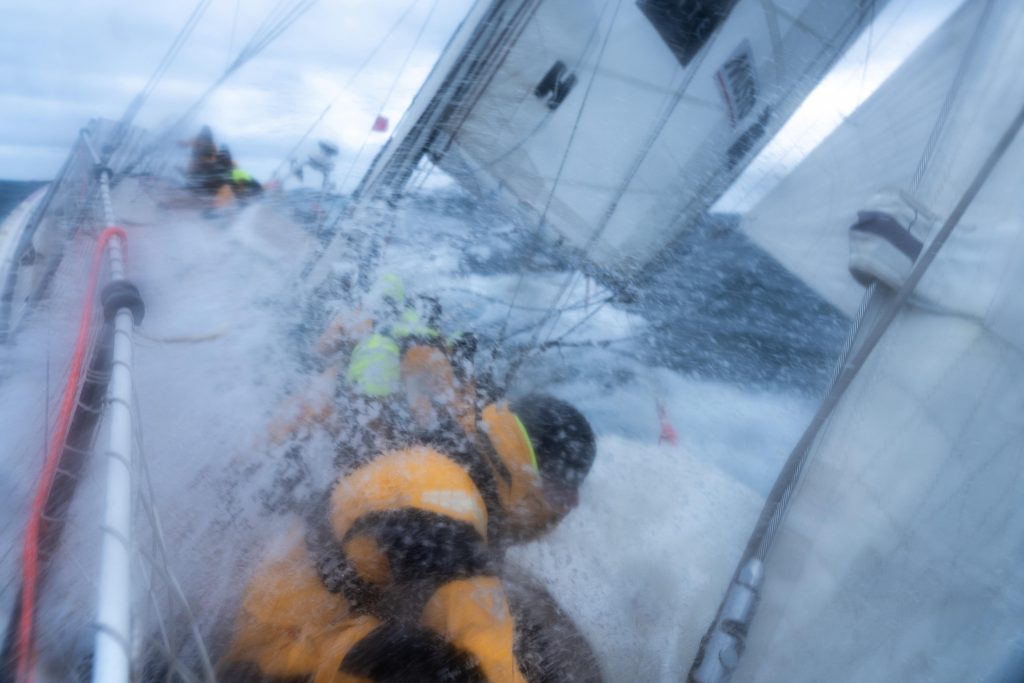
The ocean shows no mercy, regardless of experience. Consequently, sailors must rely on teamwork, resilience and mental strength.
“Relentless, Cold and Unforgettable”
Twenty-two-year-old chef Lucy Stocks completed her first Clipper Race leg through the Roaring Forties. She plans to sail four legs of the 2025–26 race. “It’s relentless, cold and wet, but it’s been the best time of my life,” she said. “I loved every moment.” Lucy discovered ocean sailing as a teenager after family holidays. From that moment, she committed fully to offshore sailing.
Everyday Adventurers
The Clipper Race requires no previous sailing experience. However, every crew member completes four mandatory training stages. This preparation equips sailors for up to six ocean crossings. Crews also learn to live at sea continuously for weeks.
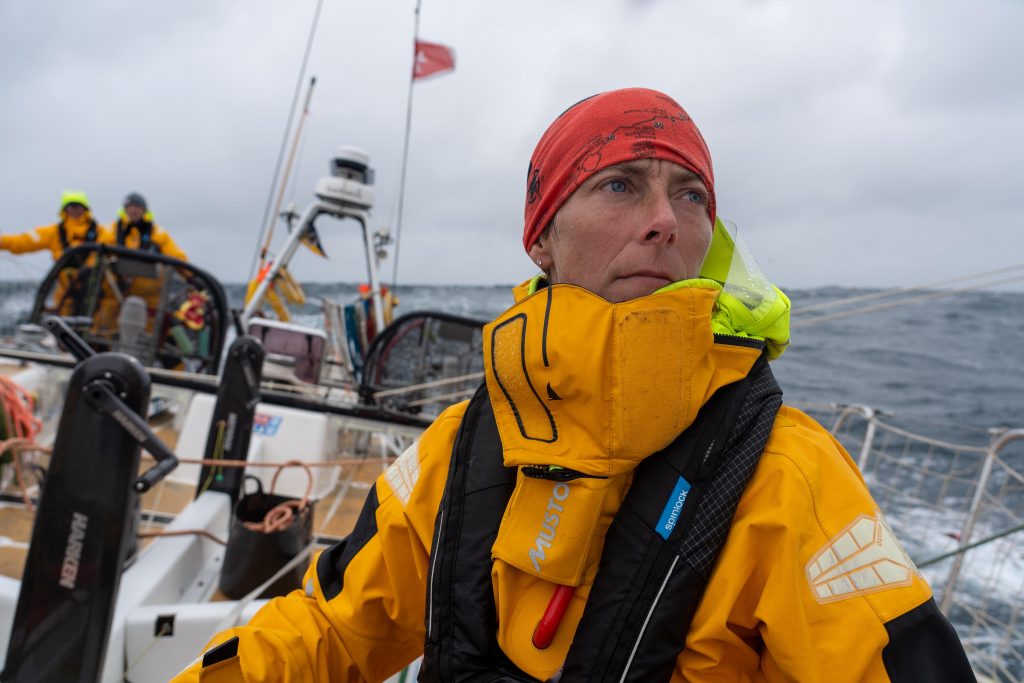
Throughout the eleven-month race, conditions rival elite professional sailing events. Crews race nonstop through storms, squalls and extreme temperature changes.
Brutal South Indian Ocean Conditions
Race Manager Hannah Brewis highlighted the severity of conditions across nearly 5,000 nautical miles. She described the Roaring Forties as equally punishing for professionals and novices. Back-to-back weather systems delivered sustained winds above 30 knots. Large seas and violent squalls challenged boat handling constantly.
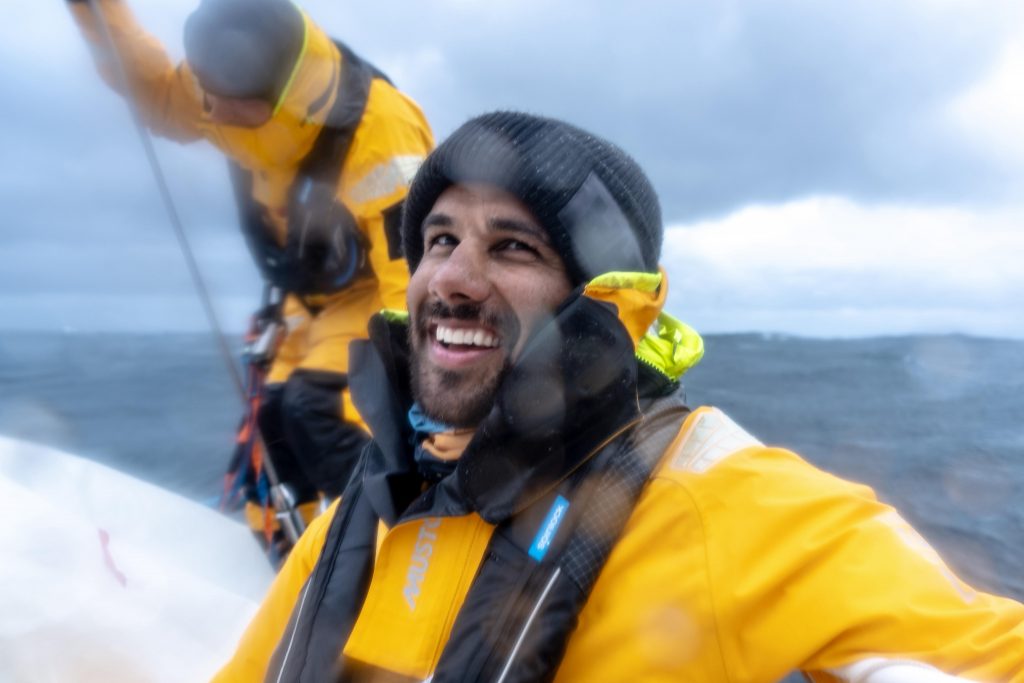
Low-pressure systems created major wind shifts and unstable sailing angles. Maintaining speed and control remained difficult, even in strong winds.
Untouched Ocean Wilderness
For many sailors, landfall brings overwhelming pride and relief. Multi-leg crew member Abigail Shanahan described the experience as unforgettable. “The cold and constant wet were hardest,” she said. “But we supported each other and laughed through it.” She also highlighted the isolation. For nearly three weeks, crews saw no boats or aircraft. The experience offered a rare connection with untouched nature. Few places on Earth remain so completely unspoiled.
The Clipper 2025–26 Race So Far
The Clipper Race departed Portsmouth on 31 August. The fleet will visit 14 ports during its global journey. The race crosses the Atlantic twice and enters the Roaring Forties.
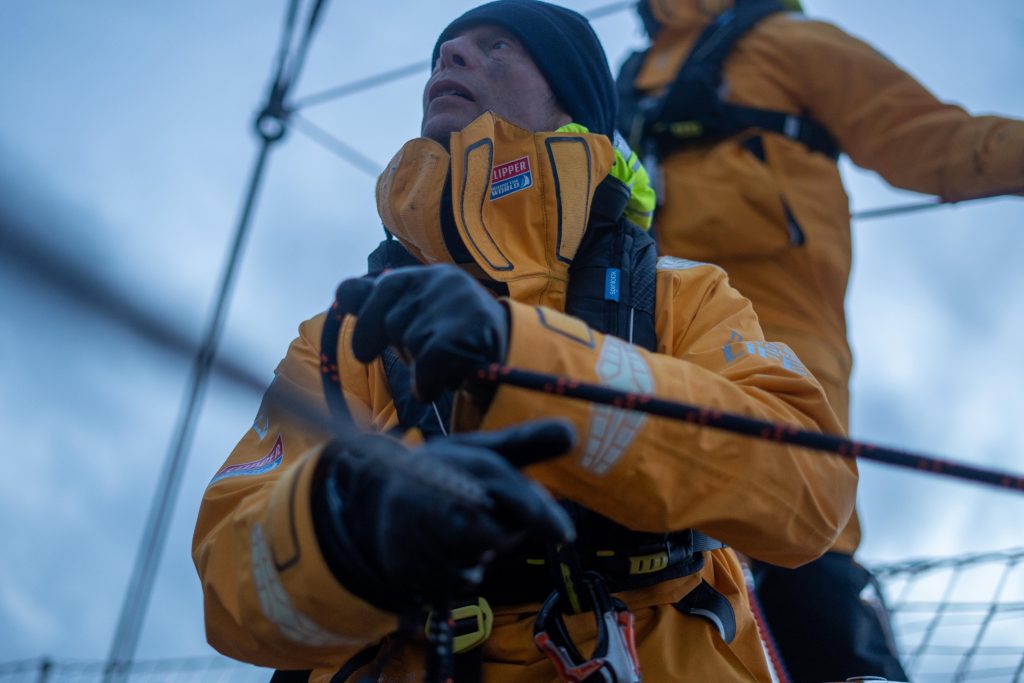
It also tackles the North Pacific, a unique challenge in round-the-world racing. So far, crews have completed nearly 15,000 nautical miles.
Deputy Race Director Max Rivers described the race as fast and unpredictable. From Biscay storms to Atlantic downwinds, conditions tested crews early. Subsequent South Atlantic crossings delivered record-breaking speeds. Leaving Cape Town, the fleet faced 40 to 50 knots immediately. Five low-pressure systems followed during three intense weeks at sea. The final system allowed a fast coastal sprint into Western Australia. Local winds around Fremantle created a dramatic and tactical finish.
Applications are now open for the 2027-28 edition, with still time to train to take on the latter stages of the Clipper 2025-26 Race through a Fast-Track Training programme.